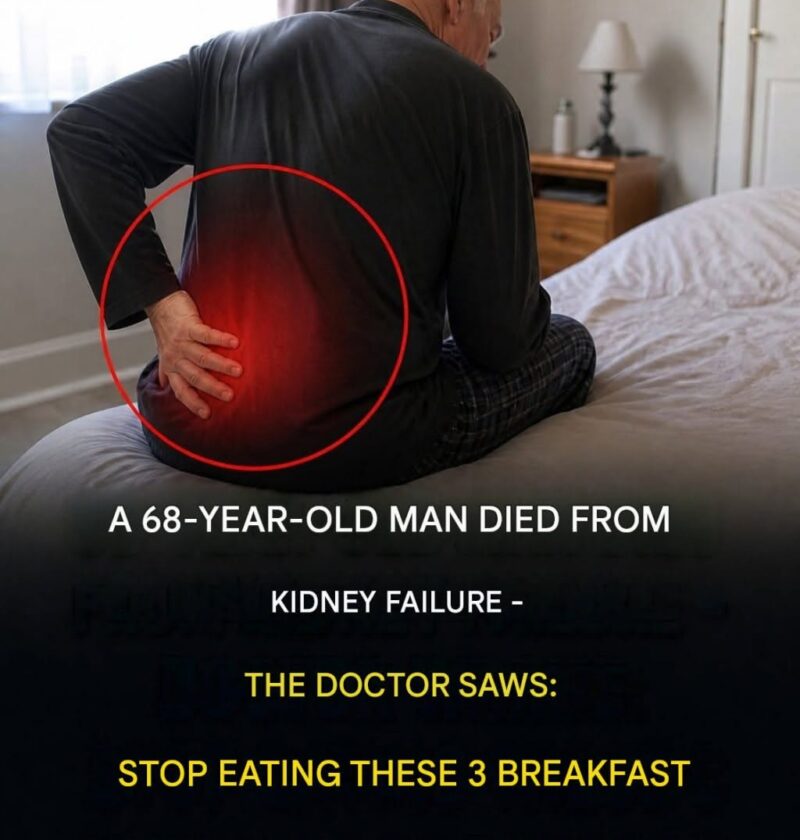
If you’re referring to the viral claim “The 3 types of breakfast that could damage your kidneys,” the headline is misleading. There aren’t three specific breakfast types that are inherently kidney-damaging for healthy people. The concern is mainly about certain dietary patterns, particularly for people who already have chronic kidney disease (CKD).
N
NIDDK
+1
Three breakfast patterns worth limiting if you have CKD
Processed-meat breakfasts
Bacon, sausage, ham and other processed meats can be high in sodium and phosphorus additives. Too much sodium can raise blood pressure and contribute to fluid retention, placing additional stress on the kidneys.
N
NIDDK
Highly processed, packaged breakfasts
Some instant breakfast foods, pastries, boxed mixes and processed cereals can contain substantial sodium and phosphate additives. On ingredient labels, look for words containing “phos.”
N
NIDDK
Very high-protein breakfasts
Large amounts of protein aren’t automatically harmful, but people with CKD may need to moderate protein intake because protein breakdown produces waste that the kidneys must remove. The appropriate amount depends on kidney function and whether someone is on dialysis.
N
NIDDK
+1
What about eggs, bananas, oatmeal or milk?
These foods aren’t universally “bad for the kidneys.” Someone with normal kidney function generally doesn’t need to eliminate them simply because of viral kidney-diet warnings.
With CKD, however, potassium, phosphorus, protein and sodium requirements are individualized according to kidney function and blood-test results. For example, some people with advanced CKD may need to limit high-potassium foods, while others don’t.
N
NIDDK
+1
A better kidney-friendly breakfast
Depending on your individual kidney diet, options might include fresh fruit, a lower-sodium grain or cereal, an appropriate portion of eggs, and minimally processed foods rather than heavily salted or processed breakfast meats.
Bottom line: Don’t fear breakfast foods based on a “3 foods that destroy your kidneys” list. If you have CKD, the most important step is knowing your eGFR, urine albumin, potassium, phosphorus and blood-pressure status, then tailoring your diet with your clinician or kidney dietitian.
N
NIDDK
N
Sources