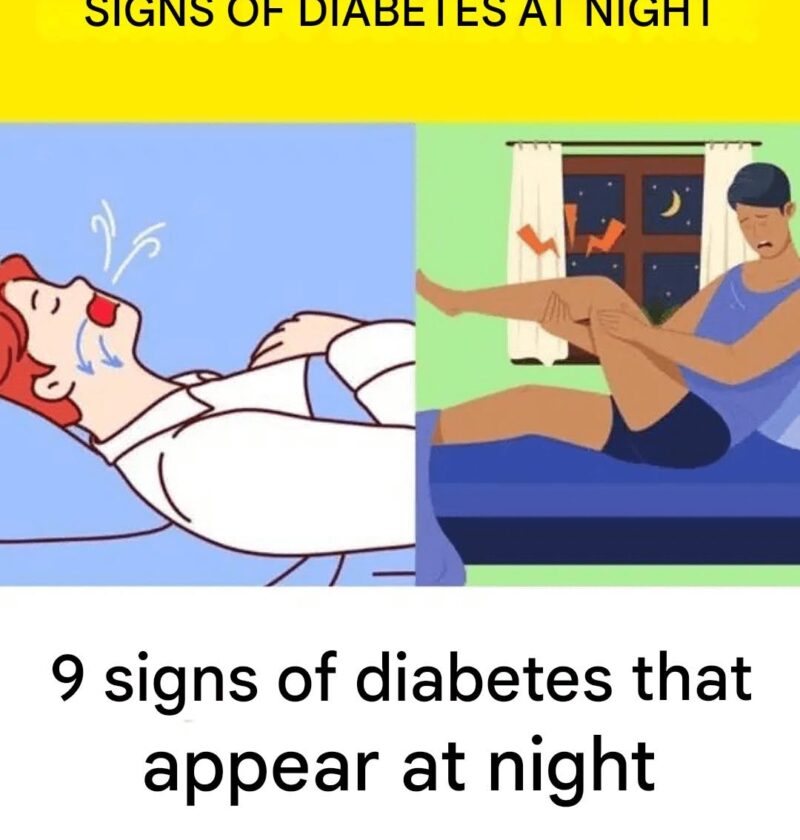
9 Signs of Diabetes That May Appear at Night
Diabetes symptoms can sometimes become more noticeable at night, especially when blood glucose levels are too high or too low. However, these signs are not specific to diabetes and can also be caused by other conditions.
If you notice several of these symptoms, it may be worth discussing them with a healthcare professional and considering a blood glucose check.
1. Frequent Nighttime Urination (Nocturia)
High blood sugar can cause the kidneys to remove extra glucose through urine, which may lead to:
- Waking up multiple times to urinate
- Increased urine volume
- Disrupted sleep
2. Excessive Thirst at Night
Frequent urination can cause fluid loss, leading to:
- Dry mouth
- Strong thirst
- Needing water during the night
3. Night Sweats
Sweating during sleep may occur with low blood sugar (hypoglycaemia), especially in people taking insulin or certain diabetes medications.
Signs may include:
- Damp clothing or bedding
- Shaking
- Fast heartbeat
- Feeling confused or unwell after waking
4. Trouble Sleeping
Blood sugar changes may contribute to:
- Difficulty falling asleep
- Waking frequently
- Feeling restless
Other causes of poor sleep are also common, including stress, pain, and sleep disorders.
5. Tingling, Burning, or Numbness in the Feet
Diabetes-related nerve damage (diabetic neuropathy) can cause:
- Burning sensations
- Pins and needles
- Pain that feels worse at night
6. Leg Cramps
Some people with diabetes experience:
- Muscle cramps
- Aching legs
- Discomfort that interrupts sleep
Persistent or severe cramps should be evaluated, as they can have many causes.
7. Increased Hunger After Dinner or During the Night
Blood sugar problems can sometimes cause:
- Feeling unusually hungry
- Cravings despite having eaten
This can occur when glucose is not being used effectively by the body.
8. Blurred Vision
High blood glucose can temporarily affect the lens of the eye, causing:
- Blurry vision
- Difficulty focusing
Sudden vision changes should be checked promptly.
9. Morning Fatigue Despite Enough Sleep
Poor sleep from nighttime symptoms can lead to:
- Feeling exhausted on waking
- Low energy during the day
- Difficulty concentrating
When to Get Checked for Diabetes
Consider speaking with a healthcare professional if you have symptoms such as:
- Increased thirst and urination
- Unexplained weight loss
- Persistent fatigue
- Slow-healing wounds
- Recurrent infections
- Tingling or numbness in the feet
A simple blood test, such as fasting blood glucose or HbA1c, can help assess blood sugar levels.
Seek Urgent Medical Help If You Have:
- Severe vomiting
- Confusion or extreme drowsiness
- Difficulty breathing
- Very high blood sugar with feeling seriously unwell