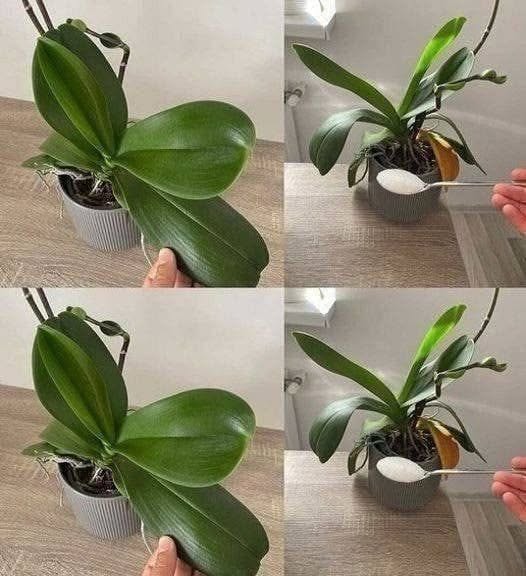
Orchids: Why a Small Amount of Fertilizer Can Make a Big Difference 🌸
With orchids, more fertilizer doesn’t mean more flowers. Orchids generally do better with a modest, consistent supply of nutrients than with large doses. Too much fertilizer can damage roots and cause salt buildup in the potting medium.
A simple feeding approach
Use a balanced orchid fertilizer according to the product’s label directions.
Many growers use a diluted fertilizer regularly during active growth, rather than giving a large dose occasionally.
Water the orchid first if the roots are very dry, then fertilize with the diluted solution. This reduces the risk of concentrated fertilizer contacting dry roots.
Occasionally flush the pot thoroughly with plain water to help remove accumulated fertilizer salts.
Reduce or stop fertilizing when the orchid is dormant or not actively growing, depending on its species and growing conditions.
The bigger secret to lots of flowers
Fertilizer is only one piece of the puzzle. Most common Phalaenopsis orchids need:
Bright indirect light
Good drainage and an airy orchid potting mix
Watering when the growing medium is approaching dryness
Adequate humidity and airflow
Appropriate day/night temperatures
And don’t pour fertilizer into the crown (the center where the leaves emerge), because trapped water can encourage crown rot.
A teaspoon isn’t a universal recipe. Fertilizer concentrations vary greatly between products, so measuring by “one teaspoon” without knowing the fertilizer’s strength can actually harm an orchid.
If you tell me what type of orchid you have and the name/concentration of your fertilizer, I can tell you exactly how much to use and how often.