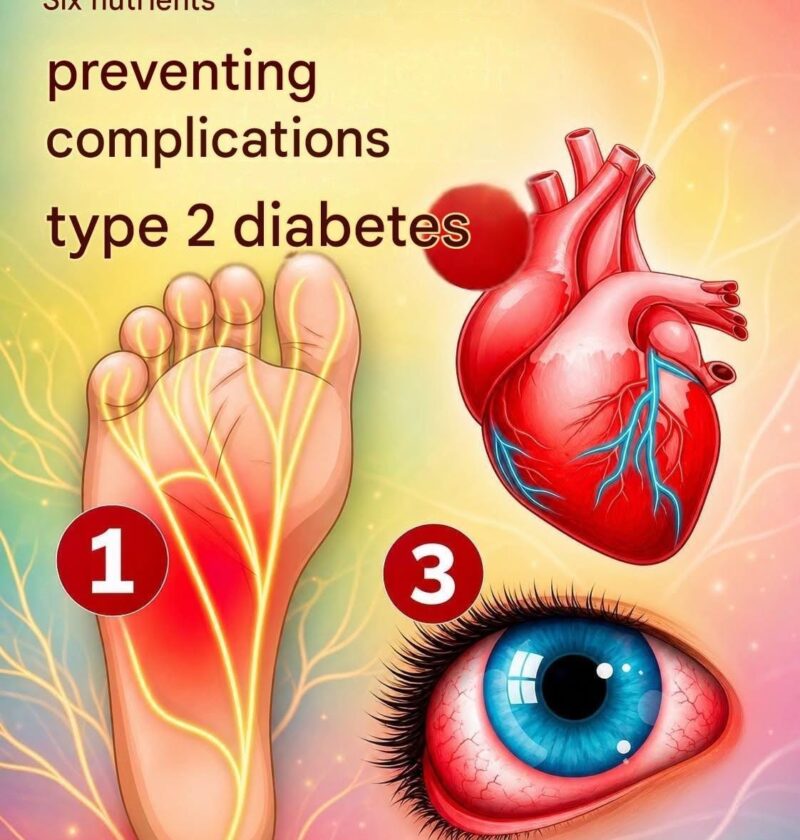
Six Nutrients That May Support Health in People With Diabetes
A healthier framing is “nutrients that help meet nutritional needs and may support overall health” rather than nutrients that prevent diabetes complications by themselves. The American Diabetes Association says supplements generally aren’t proven to improve diabetes management when there isn’t an underlying deficiency.
A
American Diabetes Association
+1
Six worth knowing about are:
Magnesium — Important for glucose metabolism, nerve and muscle function. People with higher dietary magnesium intake tend to have lower diabetes risk, but evidence isn’t strong enough to recommend magnesium supplements routinely for diabetes.
N
NCCIH
Good sources include nuts, seeds, beans, whole grains and leafy greens.
Vitamin D — Important for bone, muscle and immune health. Low vitamin D is associated with diabetes risk, and supplementation may provide a modest benefit in some people with prediabetes, but it isn’t a treatment for diabetes.
N
NCCIH
Vitamin B12 — Particularly important to check in people taking metformin, which can reduce B12 levels in some patients. Correcting a deficiency helps prevent problems caused by B12 deficiency, including certain types of nerve damage.
Omega-3 fatty acids — Found in fatty fish such as salmon, sardines and mackerel. They can be part of a heart-healthy eating pattern, although omega-3 supplements haven’t been shown to reliably improve blood glucose control.
N
NCCIH
Calcium — Essential for bones and muscle function. Adequate dietary calcium is particularly important for older adults, but taking extra calcium doesn’t prevent diabetes complications if you’re already getting enough.
Fiber — Technically a carbohydrate rather than a vitamin or mineral, but arguably one of the most useful nutrients for diabetes management. Beans, vegetables, whole grains, nuts, seeds and whole fruit can help with fullness and blood-glucose control.
The important warning
Don’t use supplements as a substitute for diabetes medication. Evidence for most diabetes supplements is limited, and some can interact with medicines or potentially harm the kidneys—an especially important consideration because diabetes itself is a major cause of kidney disease.
N
NCCIH
+1
For most people, getting these nutrients from whole foods is preferable. If you suspect a deficiency, a doctor can use blood tests and your medical history to determine whether supplementation is appropriate.
If you have diabetes, the measures with the strongest evidence for preventing complications remain good glucose control, blood-pressure and cholesterol management, physical activity, not smoking, healthy nutrition, and regular kidney, eye and foot checks.
A
American Diabetes Association
A
N
Sources