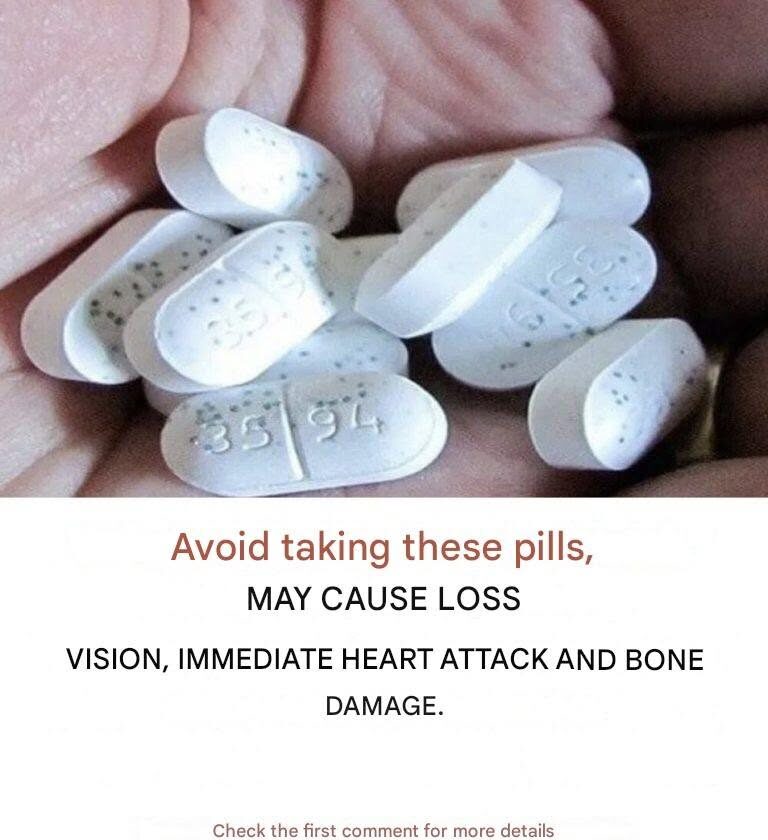
Sensationalized warnings about “tablets that cause blood clots and heart attacks” frequently appear online, often stripping away crucial medical context to create panic. While certain prescription medications do carry a known risk of blood clots or cardiovascular events as side effects, they are tightly regulated, prescribed for specific conditions, and balanced against a patient’s overall health risks by a physician.
Understanding which classes of medications carry these warnings—and why—helps separate clickbait fear-mongering from clinical reality.
Categories of Medications Associated with Clotting or Heart Risks
-
Hormonal Contraceptives (Birth Control Pills):
-
The Risk: Combined hormonal contraceptives (containing both estrogen and progestin) slightly increase the risk of developing deep vein thrombosis (DVT) or pulmonary embolisms (blood clots).
-
Why it happens: Estrogen alters the liver’s production of clotting factors, making the blood slightly more prone to coagulation. However, the absolute risk for healthy, non-smoking individuals is low, though it spikes significantly for smokers over 35 or those with specific genetic clotting disorders.
-
-
Nonsteroidal Anti-Inflammatory Drugs (NSAIDs):
-
The Risk: Common pain relievers like ibuprofen, naproxen, or prescription celecoxib carry black-box warnings regarding an increased risk of serious cardiovascular thrombotic events, including myocardial infarction (heart attack) and stroke, particularly with long-term use or in individuals with pre-existing heart disease.
-
-
Certain Hormone Replacement Therapies (HRT):
-
Estrogen-based therapies used to manage menopausal symptoms have been shown in certain populations to carry an elevated risk of blood clots and stroke, which is why doctors carefully evaluate a patient’s age, timing, and personal medical history before prescribing them.
-
The Irony of “Blood Thinning” Medication Warnings
It is also worth noting that medications explicitly designed to prevent blood clots—such as anticoagulants (e.g., warfarin, apixaban) or antiplatelet drugs (e.g., aspirin, clopidogrel)—come with their own intensive warning labels. Paradoxically, the greatest danger with these specific pills is usually the exact opposite risk: severe, uncontrollable bleeding. Furthermore, abruptly stopping certain heart medications or blood thinners without medical supervision can cause a dangerous rebound effect, drastically increasing the risk of a heart attack or stroke.
Safe Practices
-
Never Stop Prescribed Medication Out of Fear: If you see a terrifying headline about a medication you are currently taking, never stop taking it abruptly. Doing so can cause severe medical complications.
-
Talk to Your Pharmacist or Doctor: Every patient’s risk profile is different. Your healthcare provider weighs the benefits of a medication against potential side effects like blood clots based on your age, genetics, lifestyle, and medical history.
Are you or someone you know currently trying to evaluate the safety or side effects of a specific medication?