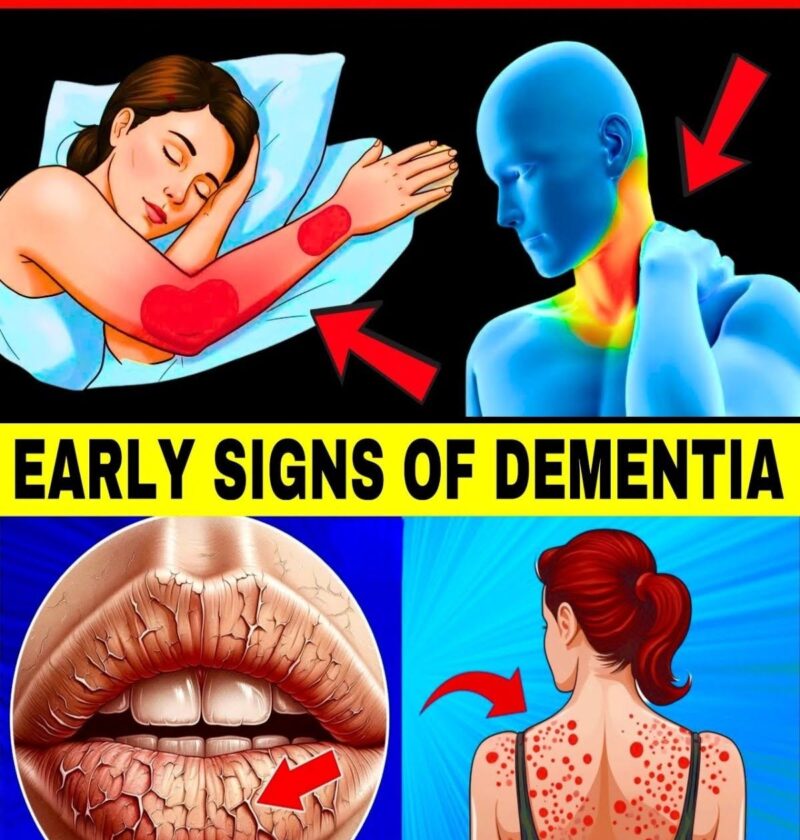
10 Early Signs of Dementia You Shouldn’t Ignore
Occasional forgetfulness is a normal part of aging. Dementia is different because changes in memory, thinking, behavior, or daily functioning become persistent and interfere with everyday life.
A
Alzheimer’s Association
+1
Watch for these signs:
Memory loss that disrupts daily life — repeatedly forgetting recent conversations, events, or important information.
Difficulty planning or solving problems — struggling with bills, recipes, schedules, or familiar tasks.
Trouble completing familiar activities — difficulty driving a familiar route, preparing a usual meal, or using familiar equipment.
Confusion about time or place — losing track of dates, seasons, or how someone arrived somewhere.
Difficulty with visual or spatial information — problems judging distance, recognizing objects, or navigating familiar places.
New language problems — frequently struggling to find words, follow conversations, or express thoughts.
Misplacing things and being unable to retrace steps — putting everyday objects in unusual places and having no idea how to find them.
Poorer judgment or decision-making — unusual financial decisions, falling for scams, or neglecting personal care.
Withdrawal from social activities or hobbies — losing interest in activities the person previously enjoyed.
Unusual mood or personality changes — increased anxiety, suspicion, irritability, fear, depression, or other noticeable behavioral changes.
A
Alzheimer’s Association
+1
What is normal aging?
Forgetting someone’s name occasionally but remembering it later, misplacing your keys and finding them by retracing your steps, or occasionally forgetting an appointment doesn’t automatically mean dementia.
C
CDC
+1
Don’t assume it’s dementia
Memory and thinking problems can have treatable causes, including depression, medication effects, infections, thyroid problems, and vitamin deficiencies. A medical evaluation is therefore important rather than trying to diagnose dementia from symptoms alone.
A
Alzheimer’s Association
If you or a family member is experiencing new or progressively worsening changes that interfere with everyday life, arrange a medical evaluation. Early assessment can help identify the cause and provide access to appropriate treatment and support.
A
Alzheimer’s Association
+1
Sudden confusion, trouble speaking, facial drooping, weakness on one side, or sudden vision/balance problems are different: they can indicate a stroke and require emergency care immediately, rather than waiting for a dementia evaluation.
A
C
Sources