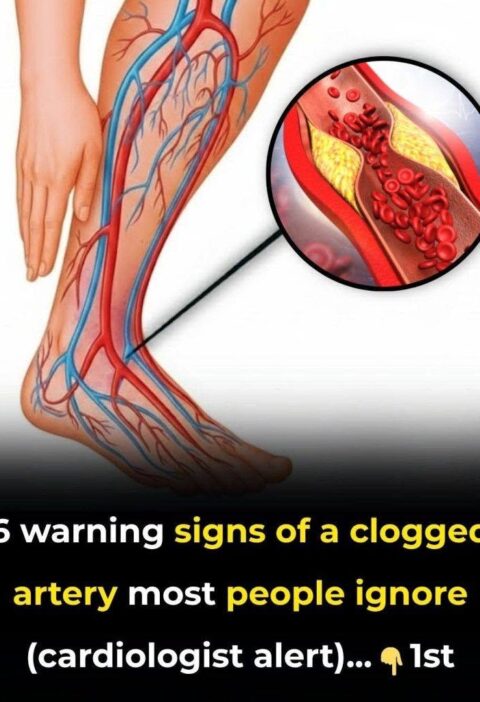
Who Is Most at Risk of Nighttime Leg Cramps?
Nighttime leg cramps—sudden, painful tightening of a muscle, usually in the calf or foot—can happen to anyone. However, some people are more likely to experience them.
People at higher risk
Older adults: Night cramps become more common with age, particularly after 60.
People who are physically active: Heavy exercise, prolonged standing, or muscle fatigue can trigger cramps.
People who sit or stand for long periods: Reduced movement can contribute to muscle stiffness and cramping.
Pregnant women: Leg cramps are particularly common later in pregnancy.
People who are dehydrated: Losing significant amounts of fluid can contribute to muscle cramps.
People taking certain medications: Some diuretics (“water pills”), statins, and other medicines can sometimes be associated with muscle cramps.
People with certain medical conditions: Circulation problems, nerve disorders, kidney disease, diabetes, and thyroid problems can sometimes contribute.
What can help?
Regular gentle stretching—particularly calf stretching before bed—may help some people. Staying adequately hydrated, remaining physically active, and avoiding sudden increases in exercise can also be useful.
Don’t automatically assume nighttime cramps mean you’re deficient in potassium or magnesium. Supplements aren’t appropriate for everyone, and excessive amounts can be harmful.
When should you see a doctor?
Talk with a healthcare professional if cramps are frequent, severe, newly developing, disturbing your sleep, or accompanied by swelling, numbness, weakness, or persistent muscle pain.
Bottom line: Age, muscle fatigue, prolonged inactivity, pregnancy, dehydration, medications, and certain medical conditions can all increase the likelihood of nighttime cramps—but frequent cramps deserve evaluation rather than simply being attributed to “old age.”