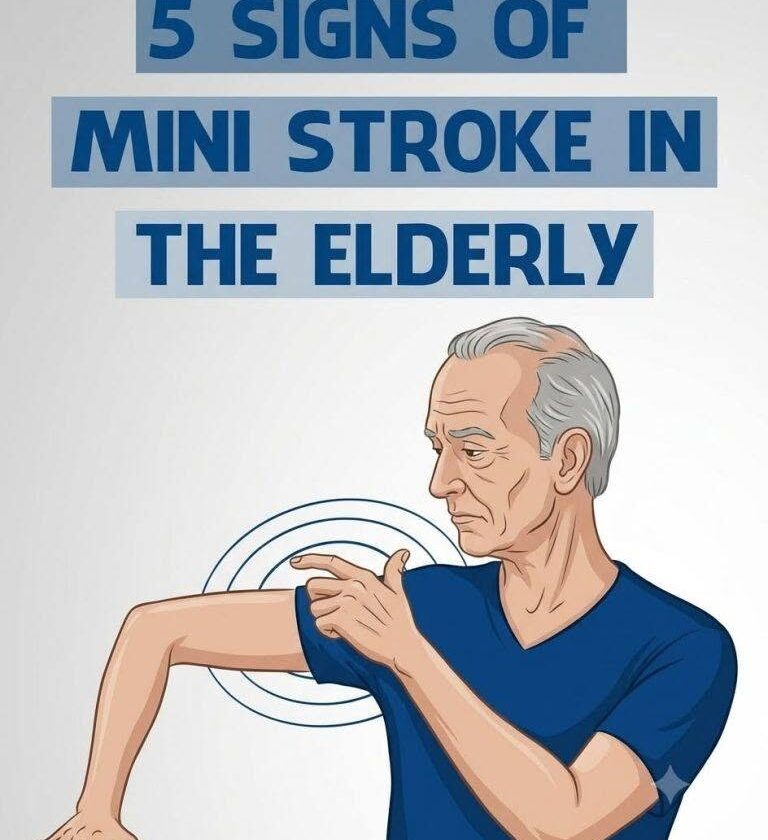
If you’re considering this as a health headline, the core message is sound, but “mini-stroke” is better described as a transient ischemic attack (TIA), or “warning stroke.” TIA symptoms can disappear quickly, which is exactly why people sometimes dismiss them. However, they require emergency evaluation because you cannot reliably distinguish a TIA from an ongoing stroke when symptoms first occur.
N
nhs.uk
+1
9 symptoms you should never ignore
Sudden weakness or numbness of the face, arm, or leg—especially on one side.
Sudden facial drooping or an uneven smile.
Sudden trouble speaking, slurred speech, or difficulty understanding others.
Sudden vision loss or changes, including blurred or double vision.
Sudden dizziness or vertigo.
Sudden loss of balance or coordination or difficulty walking.
Sudden confusion or difficulty understanding what is being said.
Sudden severe headache with no obvious cause.
Sudden difficulty swallowing or other abrupt neurological changes.
W
www.stroke.org
+1
The important part: symptoms disappearing doesn’t make them safe
A TIA may last only minutes, but that does not mean you can simply wait it out. The American Stroke Association notes that suspected TIA can be followed by a stroke, and urgent evaluation is recommended even when symptoms have resolved.
W
www.stroke.org
+1
Think B.E. F.A.S.T.:
Balance loss → Eye/vision changes → Face drooping → Arm weakness → Speech difficulty → Time to call emergency services.
W
www.stroke.org
If any of these symptoms are happening now, call your local emergency number immediately. Don’t drive yourself, and don’t wait for the symptoms to return. Note the time the symptoms began, because that information can affect treatment decisions.
W
www.stroke.org
+1
N
W
Sources