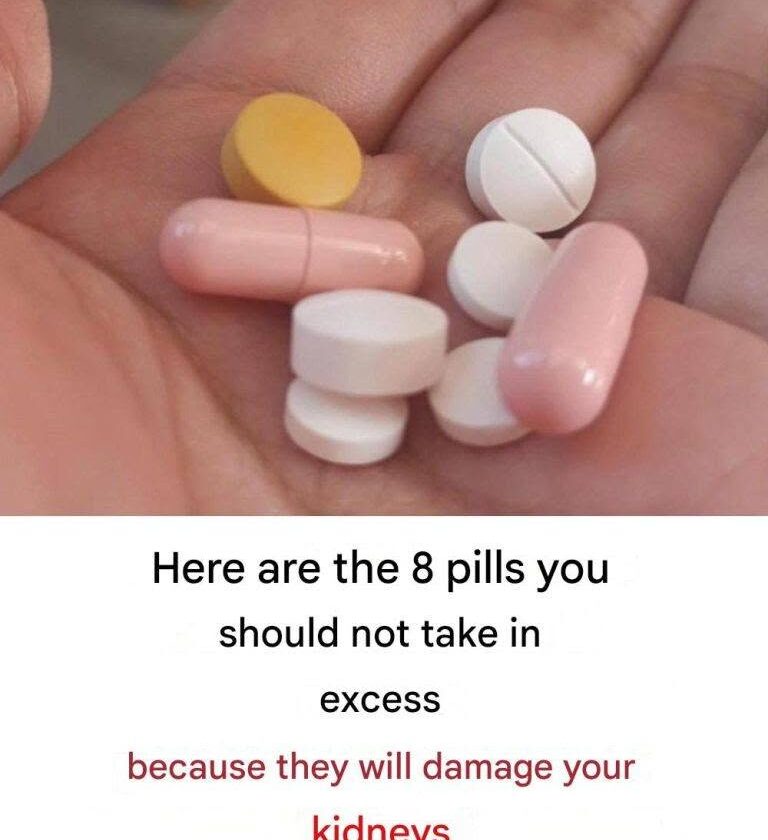
If you’re asking which medicines can harm the kidneys, it’s important not to frame this as “eight pills you should never take.” Many of these medicines are appropriate and sometimes essential—the risk depends on the drug, dose, duration, kidney function, hydration, and other medicines you take.
N
NIDDK
+1
Eight medicines to be especially careful with
Ibuprofen — an NSAID that can reduce blood flow to the kidneys, particularly with high doses, prolonged use, dehydration, or existing kidney disease.
N
National Kidney Foundation
Naproxen — another NSAID with similar kidney risks.
Diclofenac — an NSAID that can contribute to acute kidney injury, particularly in people at higher risk.
N
National Kidney Foundation
Celecoxib — a prescription NSAID that carries similar kidney precautions.
Indomethacin — another NSAID that can affect kidney blood flow.
Certain antibiotics — some antibiotics can directly affect the kidneys or accumulate when kidney function is reduced. That doesn’t mean you should avoid antibiotics when they’re needed; the dose may need adjustment.
N
National Kidney Foundation
Lithium — long-term treatment can affect kidney function, so people taking it generally need appropriate monitoring.
N
National Kidney Foundation
Oral sodium-phosphate bowel preparations — these can cause serious kidney problems in susceptible people, including older adults and those with kidney disease.
N
National Kidney Foundation
The biggest everyday warning
For many people, the most important medications to watch are NSAID painkillers. The National Kidney Foundation specifically advises people with chronic kidney disease to avoid NSAIDs, particularly when eGFR is below 60, unless a healthcare professional directs otherwise.
N
NKF
Also, don’t stop prescription medicines on your own. For example, ACE inhibitors and ARBs (medicines ending in -pril or -sartan) can actually protect kidney function in appropriate patients, even though extra caution may be needed during dehydration or acute illness.
N
NIDDK
+1
If you take several medicines, the safest approach is to have a pharmacist or doctor review your complete medication and supplement list and check your kidney function.
N
N
N
Sources