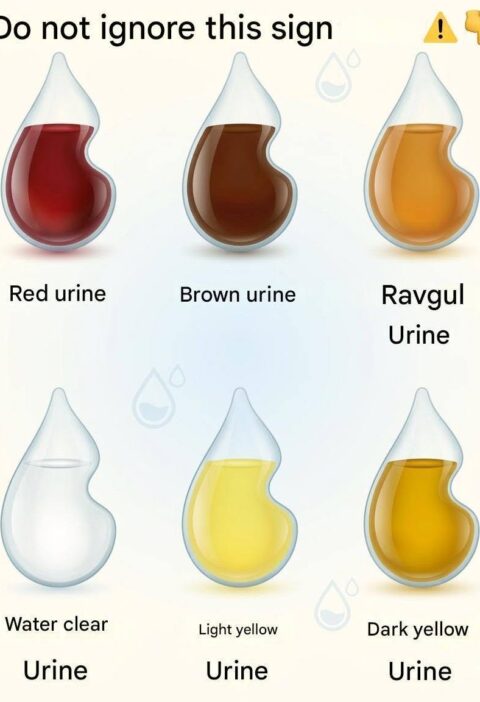
That headline is misleading. There is no universal “8 pills you should never take” list—kidney risk depends on the drug, dose, duration, hydration, and your personal health.
Your kidneys (part of Kidney disease when damaged) are sensitive to some medicines, but many are safe when used correctly.
⚠️ Medicines that can affect kidneys (when misused or in high risk people)
1. Common painkillers (NSAIDs)
Ibuprofen
- Can reduce blood flow to kidneys in high doses or long use
- Risk increases with dehydration or older age
2. Other NSAIDs
- Diclofenac, naproxen, aspirin (high doses)
3. Certain antibiotics
- Some (like aminoglycosides) can affect kidney tissue in hospital settings
4. Diuretics (“water pills”)
- Can cause dehydration or electrolyte imbalance if not monitored
5. Acid reflux medicines (long-term use)
Omeprazole
- Rare association with kidney inflammation in long-term use
6. Contrast dye (for CT scans)
- Can temporarily stress kidneys in at-risk patients
7. Some antivirals or chemotherapy drugs
- Used under strict medical supervision due to kidney processing
8. Unregulated herbal supplements
- Risk varies; some contain hidden toxins or heavy metals
🧠 Key reality check
- Most of these drugs are safe when prescribed and monitored
- The real danger comes from:
- Overuse
- Self-medication
- Dehydration
- Existing kidney disease