Common Reasons You Wake Up with a Dry Mouth
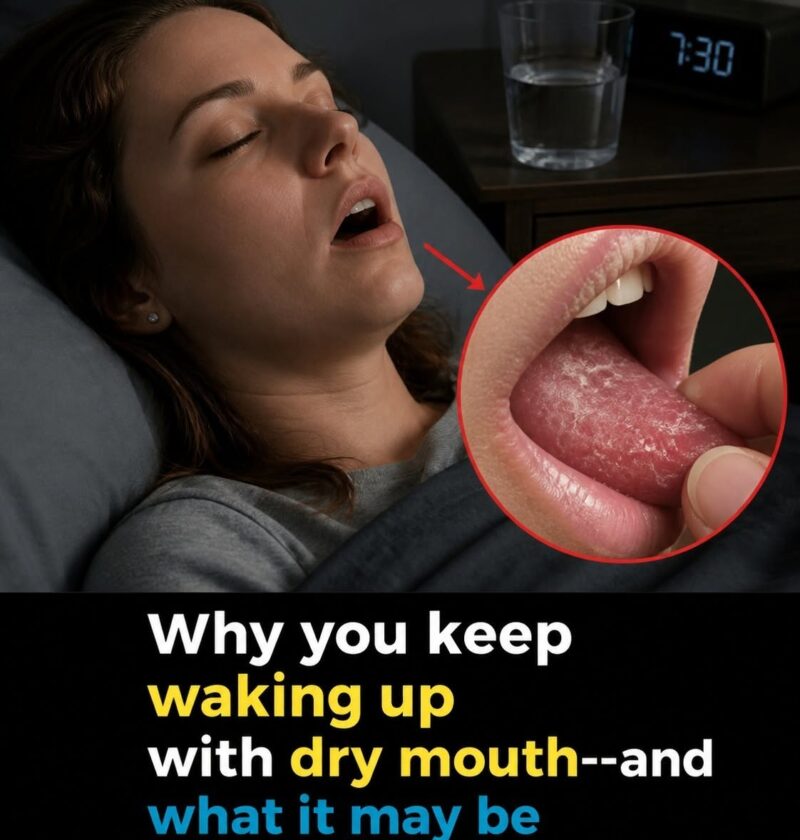
1. Mouth Breathing During Sleep
This is one of the most common causes.
Possible reasons include:
- Nasal congestion from allergies or a cold
- A deviated nasal septum
- Habitual mouth breathing
Signs:
- Dry mouth mainly in the morning
- Bad breath upon waking
- Dry or sore throat
2. Dehydration
Not drinking enough fluids during the day can leave you dehydrated overnight.
You may also notice:
- Dark urine
- Thirst
- Headaches
- Fatigue
3. Medications
Many medications can reduce saliva production, including some:
- Allergy medications
- Antidepressants
- Blood pressure medications
- Decongestants
If dry mouth began after starting a medication, it may be worth discussing with your healthcare provider.
4. Snoring or Sleep Apnea
Frequent snoring or the sleep disorder Obstructive Sleep Apnea can contribute to dry mouth.
Other symptoms may include:
- Loud snoring
- Morning headaches
- Daytime sleepiness
- Witnessed pauses in breathing during sleep
5. Dry Indoor Air
Sleeping with air conditioning, heating, or a fan directed at your face can dry the mouth and throat overnight.
6. Medical Conditions
Persistent dry mouth can sometimes be associated with conditions such as:
- Type 2 Diabetes
- Sjögren’s Syndrome
These are less common causes but may need evaluation if symptoms are ongoing.
Why Saliva Matters
Saliva helps:
- Protect teeth from decay
- Wash away bacteria
- Aid digestion
- Keep the mouth comfortable
Chronic dry mouth can increase the risk of cavities, gum disease, and bad breath.
What You Can Do
- Drink adequate water throughout the day.
- Avoid excessive alcohol before bed.
- Limit smoking if applicable.
- Treat nasal congestion or allergies.
- Consider a humidifier if your bedroom air is dry.
- Maintain good oral hygiene.
When to See a Healthcare Professional
Consider seeking medical advice if:
- Dry mouth occurs most mornings for several weeks.
- You have difficulty swallowing.
- You develop frequent cavities.
- You experience excessive thirst or urination.
- You snore heavily or suspect sleep apnea.
The Bottom Line
For most people, waking up with a dry mouth is caused by mouth breathing, dehydration, medications, or snoring. If the problem is persistent, it can be worth investigating because it may occasionally point to an underlying sleep, nasal, medication-related, or medical issue.