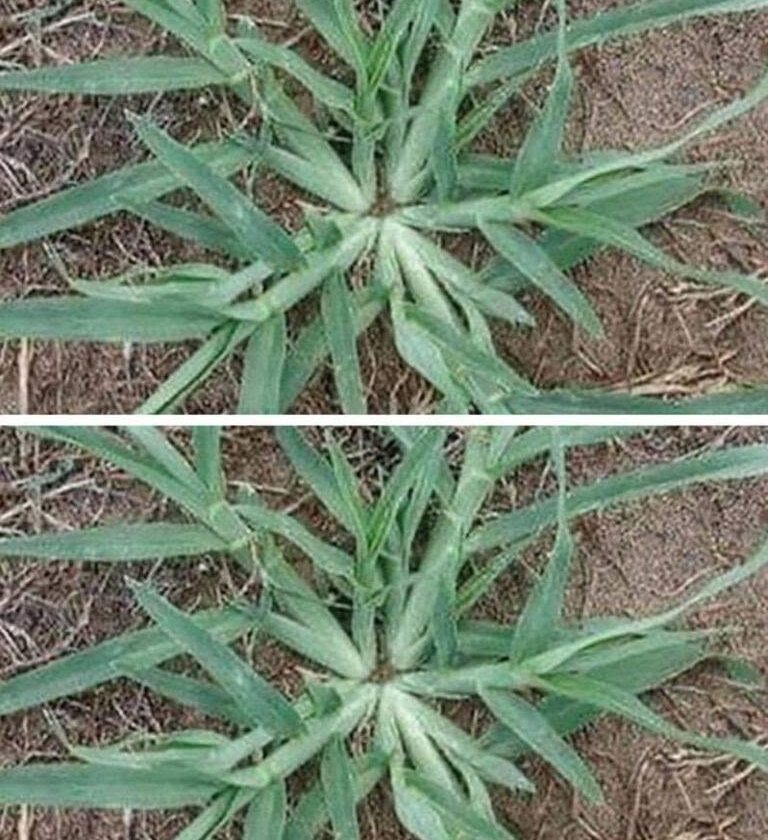
What Is Purslane?
Purslane is a low-growing succulent plant with smooth reddish stems and thick, fleshy green leaves. It thrives in gardens, lawns, pathways, and cultivated fields around the world. Because it grows quickly and spreads easily, many people mistake it for a nuisance weed.
However, purslane has been used as a food and medicinal plant for centuries in many cultures.
Why You Should Not Uproot Purslane
1. It Is Highly Nutritious
Purslane is considered one of the most nutritious wild edible plants. It contains:
- Omega-3 fatty acids
- Vitamin A
- Vitamin C
- Vitamin E
- Magnesium
- Potassium
- Iron
- Calcium
- Antioxidants
In fact, purslane contains more omega-3 fatty acids than many other leafy vegetables.
2. It Improves Soil Health
Purslane’s deep root system helps:
- Reduce soil erosion
- Improve soil structure
- Retain moisture during hot weather
- Bring nutrients closer to the soil surface
This can benefit nearby plants in your garden.
3. It Helps Pollinators
The small yellow flowers of purslane attract:
- Bees
- Butterflies
- Other beneficial insects
These pollinators are essential for fruit and vegetable production.
4. It Survives Harsh Conditions
Purslane can grow in poor soils and withstand drought. Its ability to survive difficult conditions makes it an important plant in areas where water is limited.
5. It Can Be Eaten
Many people intentionally cultivate purslane for culinary use. It has a mild, slightly tangy flavor and can be used in:
- Salads
- Soups
- Sandwiches
- Smoothies
- Stir-fries
The leaves and stems are both edible when properly identified and cleaned.
Other “Weeds” Worth Keeping
Several other plants often deserve a place in the garden:
Dandelion
- Supports pollinators
- Edible leaves and flowers
- Deep roots help loosen compacted soil
Clover
- Adds nitrogen to the soil
- Improves lawn health
- Provides food for bees
Milkweed
- Critical habitat for monarch butterflies
- Supports biodiversity
When Should You Remove a Plant?
Not every volunteer plant should remain in your garden. Consider removing plants that:
- Are invasive in your area
- Crowd out desirable crops
- Are poisonous to children or pets
- Cause structural damage
- Trigger severe allergies
Always identify a plant before deciding whether to keep or remove it.
Conclusion
Before pulling out every unfamiliar plant, take a closer look. Plants such as purslane provide food, support pollinators, improve soil health, and increase biodiversity. What appears to be a weed may actually be one of the most useful plants in your garden. Learning to recognize beneficial wild plants can help create a healthier, more sustainable, and more productive garden.
Tip: Never eat a wild plant unless you are absolutely certain of its identification. If you have a photo of a plant growing in your garden, I can help identify it and explain whether it is beneficial or should be removed.