9 Vitamins & Supplements That Can Harm Your Liver or Kidneys — What You Should Know
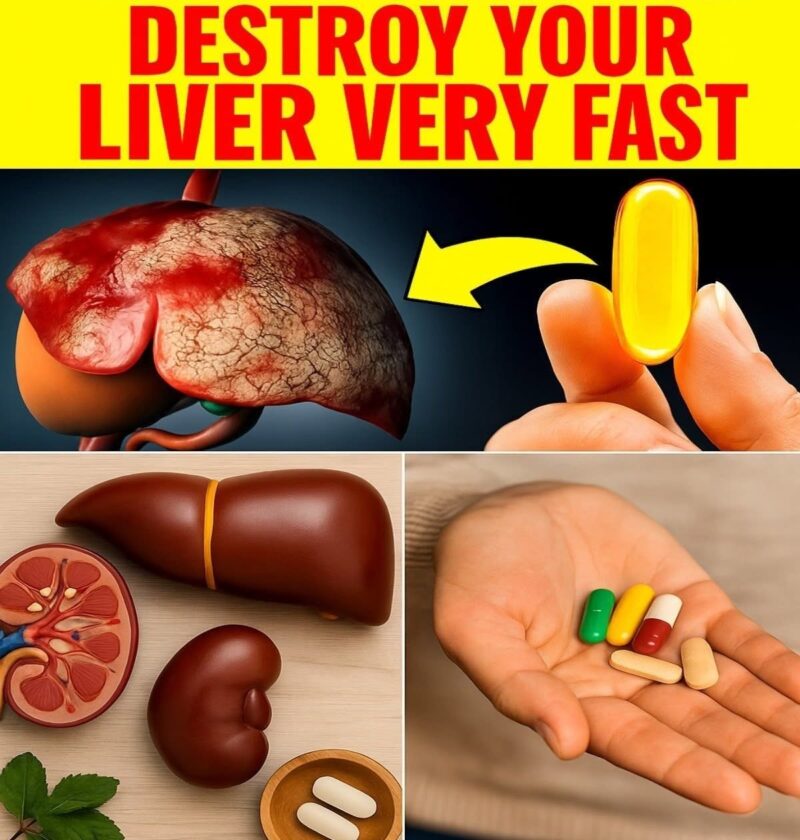
The headline “DEADLY! 9 Vitamins & Supplements That DESTROY Your Liver & Kidneys” is exaggerated. Most vitamins and supplements are not dangerous when used appropriately, but some can cause harm when taken in high doses, combined with certain medications, or used by people with existing liver or kidney problems.
Here are supplements that deserve caution:
1. High-dose vitamin A
- Excessive vitamin A (especially from supplements, not normal food sources) can build up in the body.
- Too much may cause liver damage, headaches, nausea, bone problems, and other complications.
2. High-dose niacin (vitamin B3)
- Prescription-strength niacin doses used for cholesterol can sometimes affect the liver.
- Symptoms of liver problems may include unusual fatigue, dark urine, or yellowing of the skin or eyes.
3. High-dose vitamin D
- Vitamin D is important, but excessive supplementation can raise calcium levels.
- Too much calcium in the blood may contribute to kidney stones or kidney problems.
4. Herbal supplements with uncertain ingredients
Some herbal products have been linked to liver injury, especially when:
- Ingredients are not accurately labeled
- Contaminants are present
- Very high doses are used
Examples that have raised safety concerns include some products containing:
- Green tea extract (concentrated forms)
- Kava
- Certain bodybuilding or weight-loss supplements
5. High-dose vitamin C
- Very large doses may increase the risk of kidney stones in some people, particularly those prone to them or with kidney problems.
6. “Detox” and cleansing supplements
- These products are often poorly regulated and may contain ingredients that stress the liver or kidneys.
- The body already has natural detoxification systems through the liver and kidneys.
7. Bodybuilding and performance supplements
- Some products marketed for muscle gain or fat loss have been associated with liver injury, especially when they contain undeclared substances.
8. Excessive mineral supplements
High amounts of certain minerals can be harmful, including:
- Iron (especially if not needed)
- Selenium
- Zinc
The risk depends on the dose, health status, and how long they are taken.
9. Supplements taken despite kidney disease
People with reduced kidney function may need to avoid or carefully manage certain supplements because the kidneys may not remove excess substances effectively.
How to use supplements more safely
- Avoid “megadose” products unless prescribed.
- Choose reputable brands with quality testing.
- Tell your healthcare professional about all supplements you take.
- Be cautious with supplements promising quick weight loss, detoxification, or dramatic health benefits.
- Follow recommended doses on the label