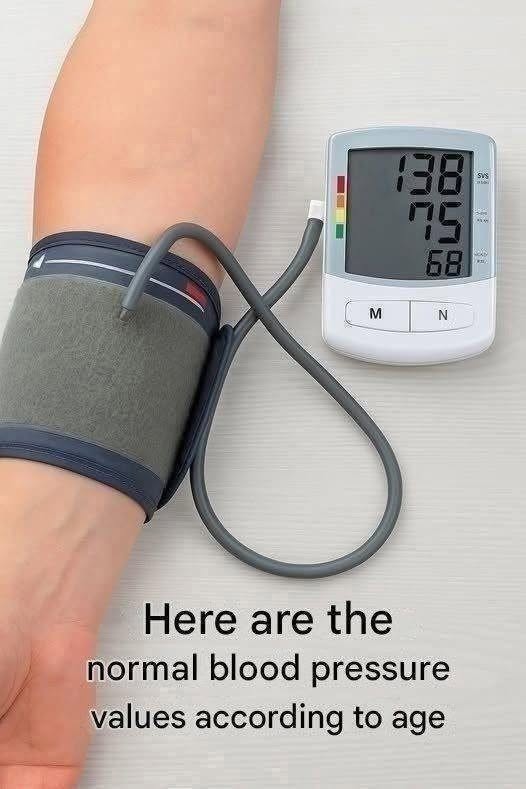
Normal Blood Pressure Values According to Age
Blood pressure changes naturally throughout life. Age, activity level, genetics, medications, and overall health can all affect your readings. While there is no single “perfect” blood pressure number for every age group, these ranges can help you understand what is generally considered healthy.
Blood pressure is measured using two numbers:
- Systolic pressure (top number): The pressure when your heart beats.
- Diastolic pressure (bottom number): The pressure when your heart rests between beats.
A typical healthy adult blood pressure is often around 120/80 mmHg, but individual goals may vary.
| Age Group | General Blood Pressure Range to Aim For* |
|---|---|
| Children | Varies widely based on age, height, and sex |
| Teens (13–17 years) | Around 90–120 / 60–80 mmHg |
| Adults (18–39 years) | Around 90–120 / 60–80 mmHg |
| Adults (40–59 years) | Often around 90–130 / 60–80 mmHg |
| Adults 60+ years | Often around 90–130 / 60–80 mmHg, depending on health status |
*Blood pressure targets should be personalized, especially for older adults or people with conditions such as diabetes, kidney disease, or heart disease.
Blood Pressure Categories for Adults
- Normal: Less than 120/80 mmHg
- Elevated: 120–129 systolic and less than 80 diastolic
- High blood pressure (Stage 1): 130–139 systolic or 80–89 diastolic
- High blood pressure (Stage 2): 140 or higher systolic or 90 or higher diastolic
- Hypertensive crisis: 180/120 mmHg or higher — requires urgent medical attention, especially with symptoms
Tips for Accurate Blood Pressure Readings
- Rest quietly for about 5 minutes before measuring.
- Sit with your back supported and feet flat on the floor.
- Keep your arm supported at heart level.
- Avoid caffeine, smoking, or exercise for about 30 minutes before checking.
- Take multiple readings at different times if monitoring at home.