That title is another “clickbait-style” gardening phrase. There’s no real “secret” that suddenly brings house flowers back to life in autumn—what it usually refers to is just basic seasonal plant care adjustments.
In fall, indoor plants often look weaker because conditions change, not because they need a miracle fix.
What actually helps houseplants in fall
1) More natural light
- Days get shorter, sunlight weaker
- Move plants closer to windows (but avoid cold drafts)
- Rotate pots so all sides get light
2) Reduce watering
- Plants grow slower in cooler months
- Soil dries more slowly → overwatering is a common mistake
- Always check soil before watering
3) Stop or reduce fertilizer
- Most plants don’t need feeding in fall/winter
- Fertilizing during low growth can stress roots
4) Watch temperature changes
- Keep plants away from heaters, AC vents, and cold window glass
- Sudden temperature swings cause leaf drop
5) Increase humidity (if air is dry)
- Indoor heating dries air
- Use a tray of water with pebbles or occasional misting for tropical plants
About the “little secret”
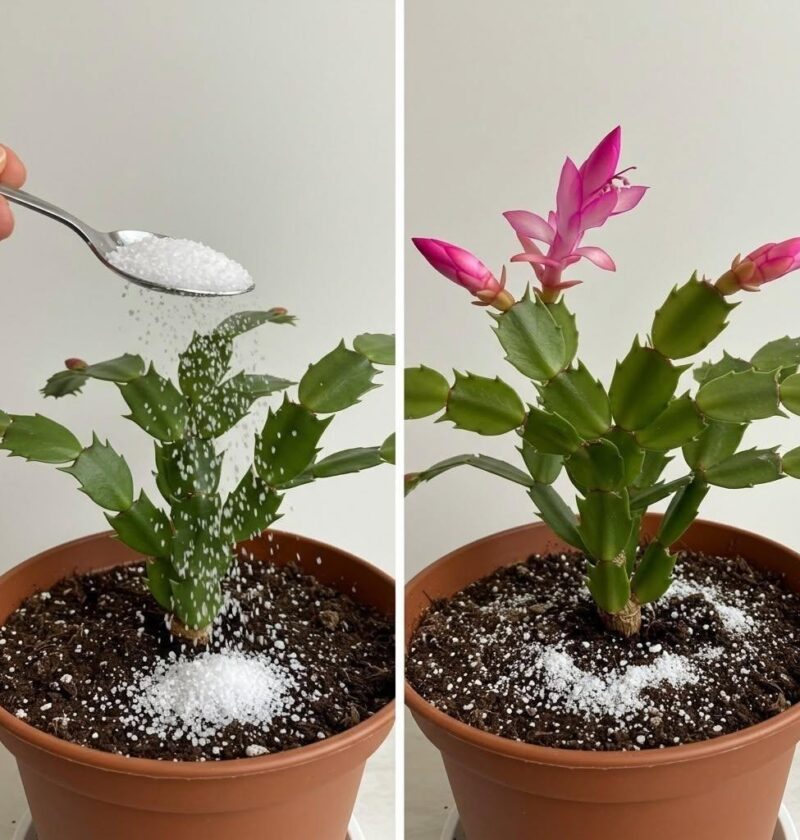
In most articles like this, the “secret” usually turns out to be one of these:
- Banana peel water
- Coffee grounds
- Epsom salt
- Cinnamon or garlic water
These can sometimes help slightly, but they are not magic solutions. In fact, overuse can sometimes harm soil balance.
Bottom line
Your houseplants don’t need a hidden trick—they need season-appropriate care adjustments: less water, stable temperature, and better light management.
If you want, tell me what plants you have (like money plant, rose, aloe, etc.), and I can give specific fall care instructions for each.