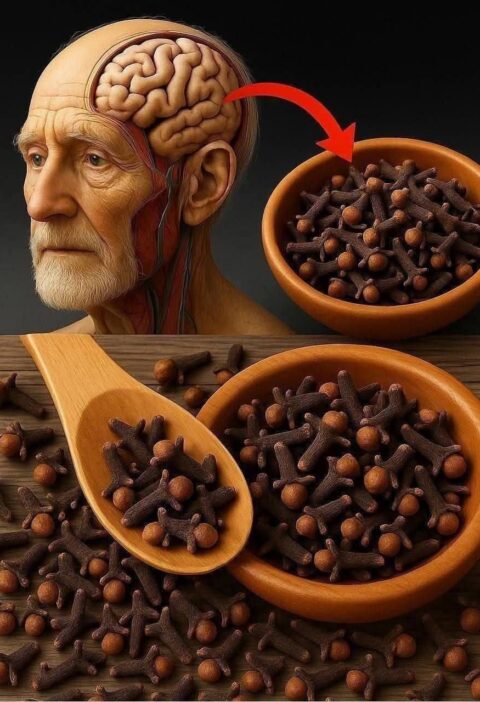
That line is a classic health exaggeration script, not a reliable medical claim.No single ingredient—despite what viral posts suggest—can reliably:
- “clean arteries”
- “regulate blood sugar”
- “lower cholesterol significantly”
- “suppress hunger long-term”
Those are complex biological processes, not effects that come from one daily spoonful of anything.
Let’s break the claims down
1. “Lowers bad cholesterol”
Some foods (like fiber-rich oats, nuts, or olive oil) can modestly improve cholesterol levels—but:
- effects are small and gradual
- they work as part of an overall diet pattern
- they don’t replace medications when needed
2. “Cleans arteries”
This is not medically accurate language.
- Arteries don’t get “cleaned” by food
- Plaque buildup is managed by reducing risk factors over time (diet, exercise, medications)
3. “Regulates blood sugar”
Some ingredients may slightly help glucose control (especially fiber or protein-rich foods), but:
- they don’t “regulate” blood sugar on their own
- diabetes management depends on lifestyle + sometimes medication
4. “Suppresses hunger”
Certain foods can increase fullness temporarily, but:
- no single spoonful has lasting appetite control effects
- hunger is controlled by hormones, calories, and overall diet balance
Why these posts spread
They usually:
- take one real benefit (like “fiber helps cholesterol”)
- exaggerate it into a universal cure
- avoid naming the ingredient to make it sound mysterious
- rely on emotional language instead of data
Bottom line
There is no “one spoonful daily cure” for cholesterol, blood sugar, or appetite.
Real health improvements come from:
- consistent diet changes
- regular activity
- sleep and stress control
- medical treatment when needed
If you want, I can identify the most common ingredient behind this exact claim (there are a few usual suspects like apple cider vinegar, honey mixtures, or seeds) and explain what science actually says about it.