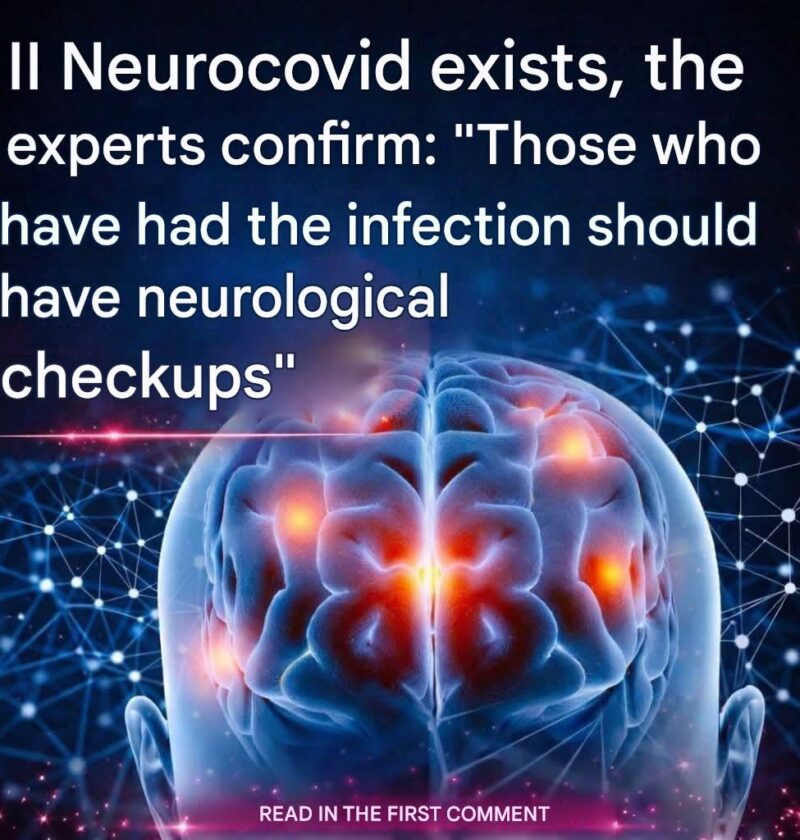
Doctors and researchers do recognize that some people develop lasting brain and nerve-related symptoms after infection with COVID-19, but the idea of a single distinct disease called “neurocovid” is oversimplified.
🧠 Common neurological symptoms reported after COVID-19
These are the main signs clinicians look for:
1) Cognitive issues (“brain fog”)
- Trouble concentrating
- Forgetfulness
- Slower thinking
- Difficulty multitasking
2) Head and sensory symptoms
- Persistent headaches
- Dizziness or balance problems
- Sensitivity to light or sound
- Changes in smell or taste (sometimes long-lasting)
3) Fatigue and nervous system dysfunction
- Severe tiredness not improved by rest
- Feeling “wired but exhausted”
- Post-exertional symptom worsening (feeling worse after activity)
4) Mood and sleep changes
- Anxiety or depression
- Insomnia or disrupted sleep
- Irritability or emotional instability
5) Autonomic symptoms (nerve regulation issues)
- Fast heart rate (especially when standing)
- Blood pressure fluctuations
- Sweating or temperature regulation problems
🧬 Why this happens (current understanding)
Researchers think multiple mechanisms may contribute:
- Low-grade inflammation in the nervous system
- Immune system dysregulation after infection
- Blood vessel and microcirculation changes
- Possible viral-triggered nerve signaling disruption
There is still ongoing research, and no single confirmed mechanism explains everything.
⚠️ Important clarification
- Not everyone who had COVID develops these symptoms
- Symptoms vary widely in severity and duration
- There is no single test for “neurocovid”
- Diagnosis is usually clinical (based on symptoms + ruling out other causes)
🧭 When to seek medical help
If symptoms:
- Persist for more than a few weeks
- Interfere with daily life or work
- Are getting worse over time
A doctor may evaluate for Long COVID and also rule out thyroid issues, anemia, vitamin deficiencies, or neurological disorders that can look similar.
🧠 Bottom line
What people call “neurocovid” is best understood as a subset of Long COVID involving the brain and nervous system, not a separate officially defined disease—but the symptoms are real and clinically recognized.
If you want, I can also break down how it’s diagnosed step-by-step or what current treatments and recovery strategies look like.