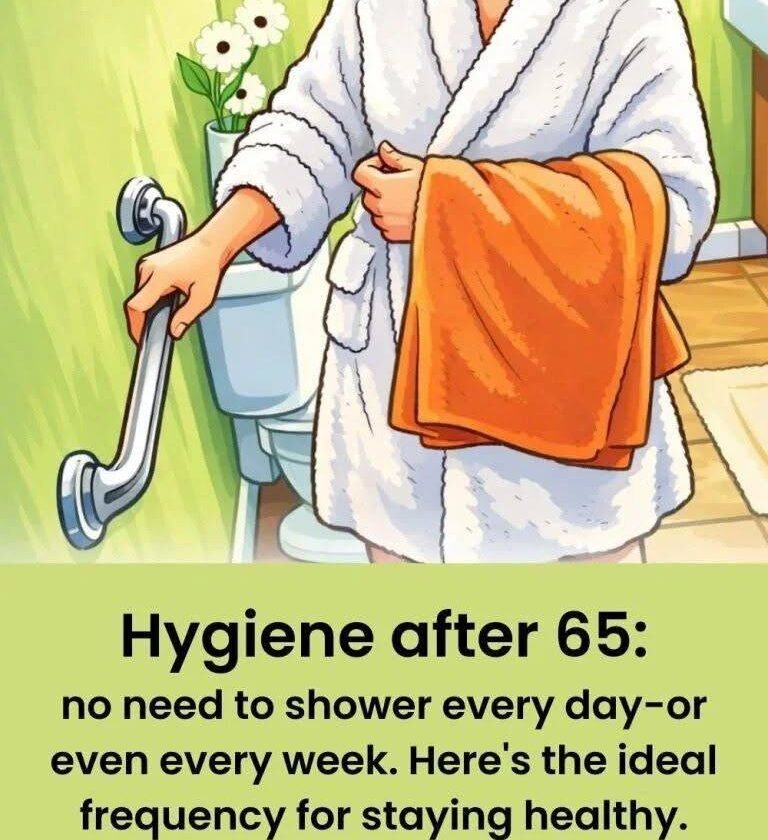
That headline is another classic overstatement. Daily showers after 65 are not inherently harmful—but how you shower and your skin condition do matter more as you age.
Let’s separate fact from hype.
🚿 What actually changes after 65
As skin ages:
- It produces less natural oil (sebum)
- The skin barrier becomes thinner
- Moisture is lost more easily (more prone to dryness)
This can lead to:
- Dry, itchy skin
- Irritation from harsh soaps
- Conditions like xerosis (dry skin) or eczema flare-ups
⚠️ So is daily showering bad?
Not automatically.
Daily showers are fine if done correctly.
The problem is aggressive bathing habits, not frequency itself.
What can make daily showers “harmful”:
- Very hot water
- Long showers (10–20+ minutes)
- Strong antibacterial soaps
- Scrubbing too hard
- Not moisturizing afterward
These can strip natural oils and worsen dryness, especially in older skin.
🧴 When daily showers may not be necessary
Some people over 65 can safely reduce full-body showers to:
- Every other day, or
- Focus only on key areas daily (face, underarms, groin, feet)
This is mainly helpful if:
- Skin is very dry or itchy
- There’s limited mobility or fatigue
- No heavy sweating or outdoor exposure
👍 Healthier shower routine for older adults
If showering daily:
- Use lukewarm water
- Keep showers short (5–10 minutes)
- Use mild, fragrance-free cleanser
- Avoid scrubbing with harsh loofahs
- Pat skin dry (don’t rub)
- Apply moisturizer within 3 minutes of bathing
🧠 Key reality check
Dermatologists don’t generally say “don’t shower daily after 65.”
They say:
“Shower as needed, but protect the skin barrier.”
So the issue is skin care quality, not an age-based restriction.
🧾 Bottom line
Daily showers after 65 are not harmful by default. They only become a problem when they strip moisture from already fragile skin without proper care afterward.
If you want, I can give a simple “older skin bathing routine” that reduces dryness and itching without changing hygiene habits too much.