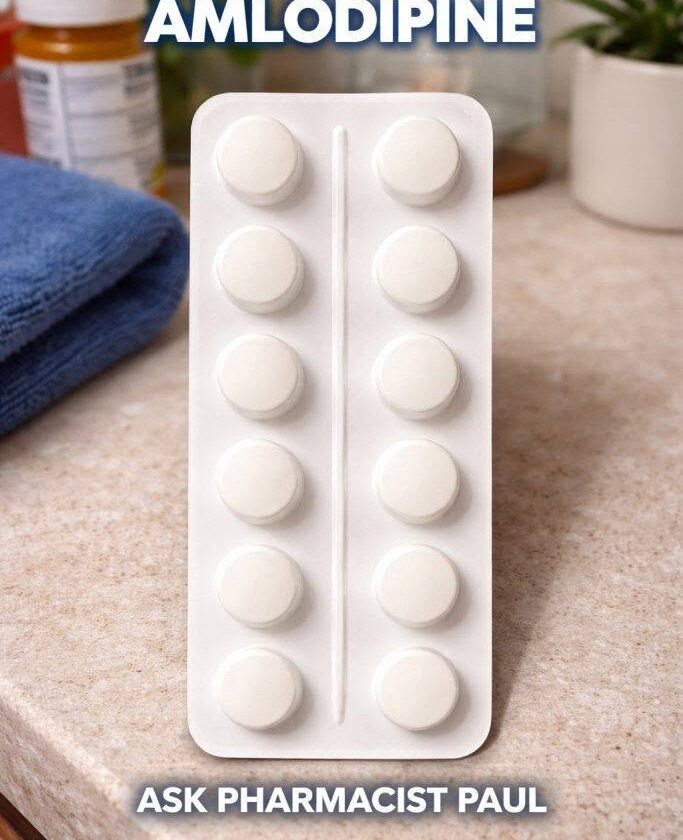
If you take amlodipine (a calcium channel blocker commonly used to treat high blood pressure and some heart-related conditions), certain habits can make side effects more likely or make blood pressure harder to control. Do not stop amlodipine or change your dose without speaking with your healthcare professional.
8 Habits to Avoid While Taking Amlodipine
1. Skipping doses or taking it at random times
Amlodipine works best when taken consistently. Missing doses can allow blood pressure to rise and reduce treatment effectiveness.
2. Eating a high-salt diet
Too much sodium can raise blood pressure and work against your medication. Limit heavily processed foods, salty snacks, and excess added salt.
3. Drinking too much alcohol
Alcohol can lower blood pressure and may increase dizziness, lightheadedness, or fainting risk when combined with amlodipine.
4. Ignoring ankle or foot swelling
Swelling in the ankles or feet (peripheral edema) is a common side effect. Tell your healthcare provider if it is persistent, painful, or worsening.
5. Standing up too quickly if you feel dizzy
Amlodipine can sometimes contribute to low blood pressure symptoms. Rise slowly, especially from bed or a chair.
6. Smoking or using tobacco products
Smoking damages blood vessels and increases cardiovascular risk, making blood pressure control more difficult.
7. Taking new supplements or medicines without checking
Some over-the-counter products, herbal supplements, and other medications can affect blood pressure or interact with your treatment. Ask a pharmacist or clinician if you’re unsure.
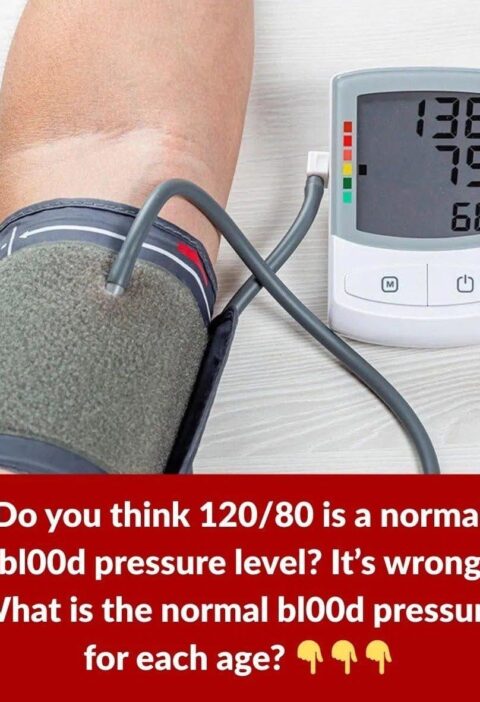
8. Avoiding regular blood pressure checks
You may feel fine even when blood pressure is high. Monitoring helps you and your healthcare team know whether your treatment is working.
Helpful habits instead
✅ Take amlodipine at the same time each day
✅ Exercise regularly as advised by your healthcare provider
✅ Maintain a balanced diet rich in fruits, vegetables, and whole grains
✅ Keep follow-up appointments and report unusual symptoms
Seek medical advice promptly if you experience severe dizziness, fainting, chest pain, a fast or irregular heartbeat, or swelling that is sudden or severe.