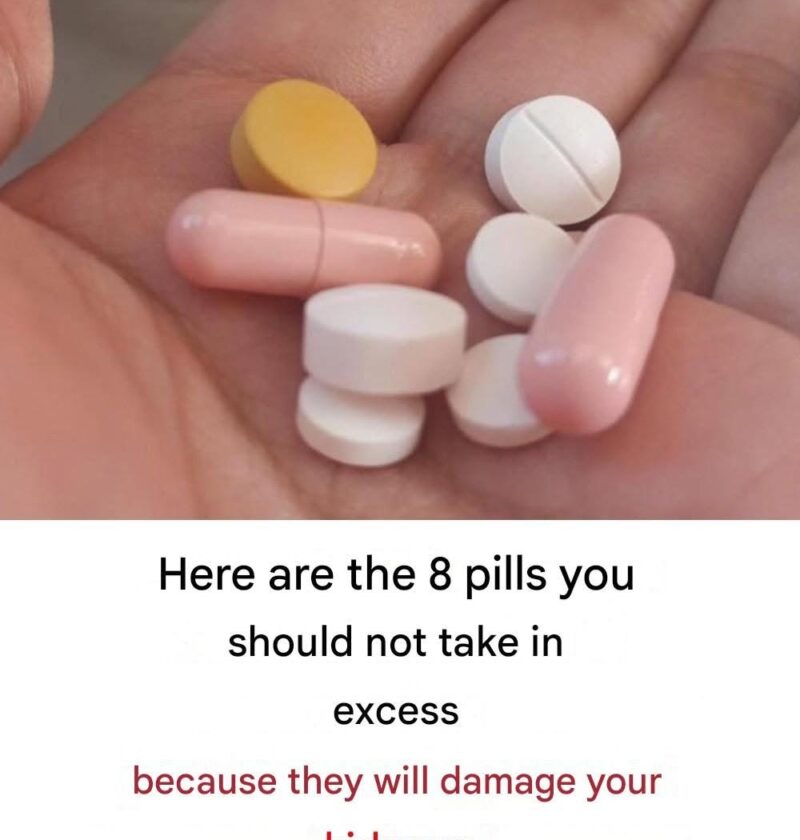
Some medicines can affect kidney function, especially when taken at high doses, for long periods, or in people who already have kidney problems. This does not mean everyone who takes these medicines will develop kidney damage—many are safe when used correctly and monitored by a healthcare professional.
Here are eight categories of medications that may pose kidney risks:
- Nonsteroidal anti-inflammatory drugs (NSAIDs)
- Examples include ibuprofen and naproxen.
- Frequent or high-dose use can reduce blood flow to the kidneys and may trigger kidney injury, especially in older adults or people with kidney disease.
- Certain antibiotics
- Some antibiotics can affect the kidneys, particularly in people with risk factors or when doses are not adjusted for kidney function.
- Some acid-reducing medicines
- Long-term use of certain proton pump inhibitors (PPIs) has been associated in studies with kidney problems in some people.
- Diuretics (“water pills”)
- These medicines help remove excess fluid but can contribute to dehydration or electrolyte changes that affect kidney function if not monitored.
- Certain blood pressure medicines
- Some medicines that affect the renin–angiotensin system can change kidney blood flow. They are often beneficial for many patients but may require kidney function and potassium monitoring.
- Lithium
- Used for some mental health conditions.
- Long-term use can affect kidney function in some people and requires regular monitoring.
- Certain antiviral medications
- Some antiviral drugs can affect kidney function, depending on the medication, dose, and patient factors.
- Some chemotherapy and immune-suppressing medicines
- Certain drugs used in cancer treatment or after organ transplantation can be harmful to the kidneys and require careful monitoring.
Ways to protect your kidneys
- Avoid taking more than the recommended dose of pain relievers.
- Tell your healthcare provider about all medicines and supplements you use.
- Stay hydrated, especially during illness or hot weather (unless you have fluid restrictions).
- Have kidney function checked if you take medications that can affect the kidneys.
Do not stop a prescribed medication without talking to your healthcare professional. Many of these medicines are important and can be used safely with proper monitoring.
If you tell me your age, medications you currently take, and whether you have diabetes, high blood pressure, or kidney problems, I can help you understand which ones may need extra caution.