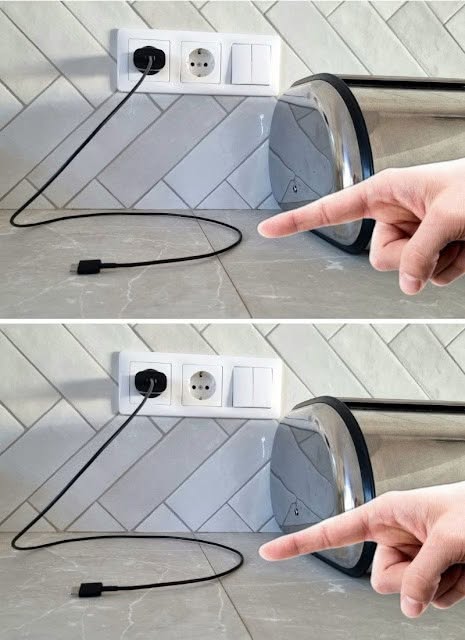
The “3 main reasons” commonly discussed are:
1. Small energy consumption
A charger that remains plugged in can still draw a tiny amount of electricity even when no phone is connected. Modern chargers usually use very little standby power, but many chargers left plugged in over long periods can contribute to unnecessary energy use.
2. Heat and wear
Chargers contain electronic components that can age over time. A low-quality, damaged, or counterfeit charger may overheat, especially if it is left plugged in continuously, near flammable materials, or in a poorly ventilated area.
3. Safety risks
A faulty charger, damaged cable, power surge, or poor-quality electrical outlet can create risks such as:
- Electrical short circuits
- Overheating
- Melting components
- In rare cases, fire hazards
Is it always dangerous?
Not necessarily. A good-quality charger from a reputable manufacturer that is in good condition is generally designed to remain plugged in safely. However, unplugging chargers when they are not needed can reduce standby energy use and remove potential risks from damaged or low-quality equipment.
A practical approach:
- Avoid using counterfeit chargers.
- Replace cracked, frayed, or overheating chargers.
- Keep chargers away from water and heat sources.
- Unplug chargers that are damaged or rarely used.