What Is Normal Blood Pressure for Your Age? A Clear Guide
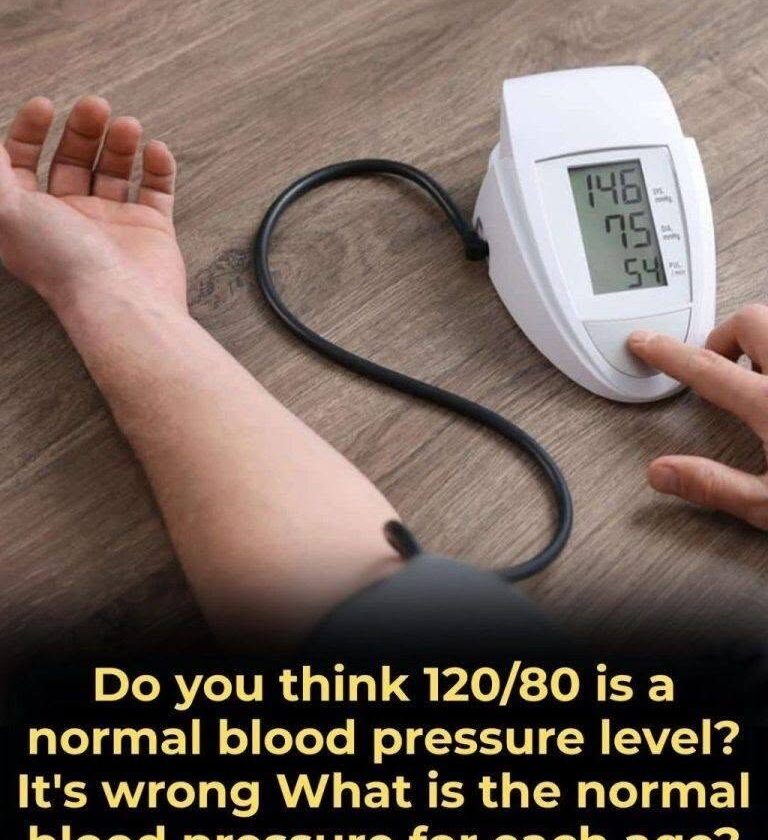
Blood pressure is usually measured as two numbers:
- Systolic pressure (top number): the pressure when your heart beats
- Diastolic pressure (bottom number): the pressure when your heart relaxes
A commonly used healthy target for many adults is around:
Less than 120/80 mmHg
However, “normal” can vary depending on age, health conditions, medications, and individual risk factors.
Blood Pressure Ranges for Adults
| Category | Systolic (top) | Diastolic (bottom) |
|---|---|---|
| Normal | Less than 120 | Less than 80 |
| Elevated | 120–129 | Less than 80 |
| High blood pressure (Stage 1) | 130–139 | 80–89 |
| High blood pressure (Stage 2) | 140 or higher | 90 or higher |
| Hypertensive crisis (urgent) | 180 or higher | 120 or higher |
Typical Healthy Ranges by Age (General Guide)
| Age group | Often considered a reasonable range* |
|---|---|
| 18–39 years | About 90/60 to under 120/80 |
| 40–59 years | About 90/60 to under 130/80 |
| 60+ years | Often under 130–140/80–90, depending on health status |
*These are general ranges, not personal targets. A doctor may recommend a different goal based on your medical history.
When to Pay Attention
- A reading of 180/120 or higher can be an emergency, especially with symptoms such as chest pain, shortness of breath, weakness, confusion, or severe headache.
- Repeated readings above 130/80 may need medical discussion.
- A single unusual reading does not always mean you have high blood pressure—stress, caffeine, exercise, pain, and poor measurement technique can affect results.
Tips for More Accurate Home Readings
- Sit quietly for about 5 minutes before measuring.
- Keep your feet flat on the floor and your arm supported.
- Avoid caffeine, smoking, or exercise for about 30 minutes beforehand.
- Take multiple readings and record the results.
If you tell me your age, blood pressure reading (for example 135/85), and whether it was taken at home or by a clinician, I can help you understand what it likely means.