Protein helps you feel full and supports muscle maintenance while losing weight. Good options include:
- Eggs
- Fish or lean meats
- Greek yogurt
- Beans and lentils
- Tofu
- Nuts and seeds
2. Fill half your plate with vegetables
Vegetables provide fiber, vitamins, and volume with fewer calories. Aim to include a variety of colors to get a wide range of nutrients.
3. Eat slowly and listen to hunger signals
Eating more mindfully gives your body time to recognize fullness. Try:
- Putting your fork down between bites
- Avoiding distractions while eating
- Checking whether you are hungry or simply eating from habit
4. Choose mostly whole foods
Base your meals around foods that are minimally processed:
- Fruits
- Vegetables
- Whole grains
- Lean proteins
- Healthy fats
You do not have to eliminate favorite foods—moderation is usually more sustainable.
5. Reduce liquid calories
Sugary drinks, sweetened coffees, and frequent high-calorie beverages can add calories without making you feel full. Water, unsweetened tea, or plain coffee are often better choices.
6. Walk and build strength
Movement supports weight management and overall health:
- Daily walking improves activity levels
- Strength training helps preserve muscle, especially during weight loss
7. Sleep well
Poor sleep can affect hunger hormones, cravings, and energy levels. Aim for a consistent sleep schedule and a relaxing bedtime routine.
8. Plan ahead instead of relying on willpower
Simple preparation helps:
- Keep healthy snacks available
- Plan a few balanced meals each week
- Avoid arriving at meals extremely hungry
9. Focus on progress, not perfection
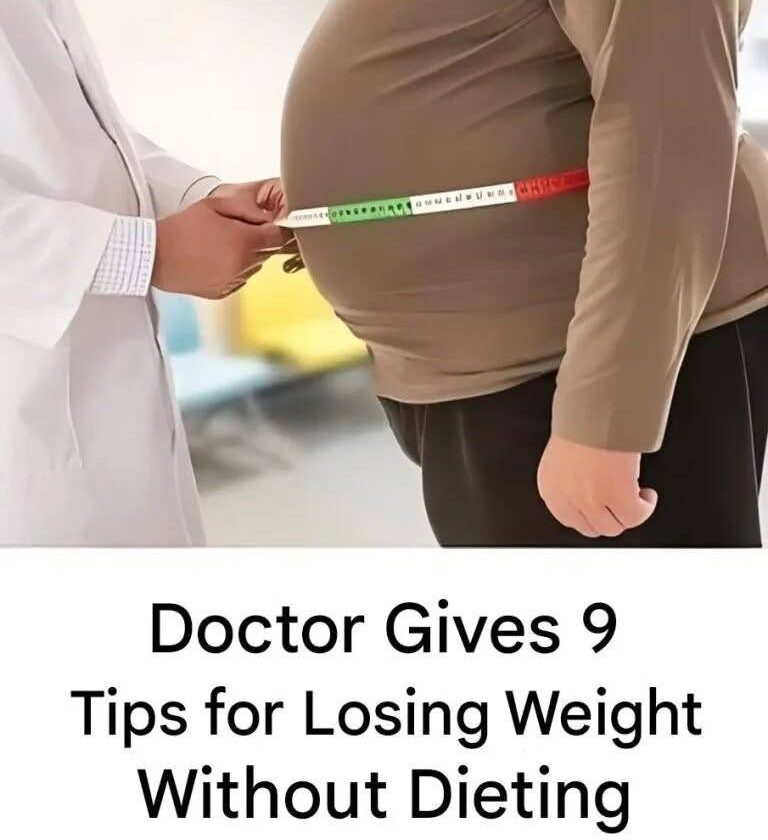
Weight naturally fluctuates due to water, hormones, and daily habits. A sustainable approach allows flexibility and avoids the cycle of strict dieting followed by frustration.
A healthy pace of weight loss is usually gradual. The best plan is one you can maintain for months and years while still enjoying your life. If you have diabetes, kidney disease, take weight-related medications, or have other medical conditions, it’s a good idea to discuss weight-loss goals with a healthcare professional.