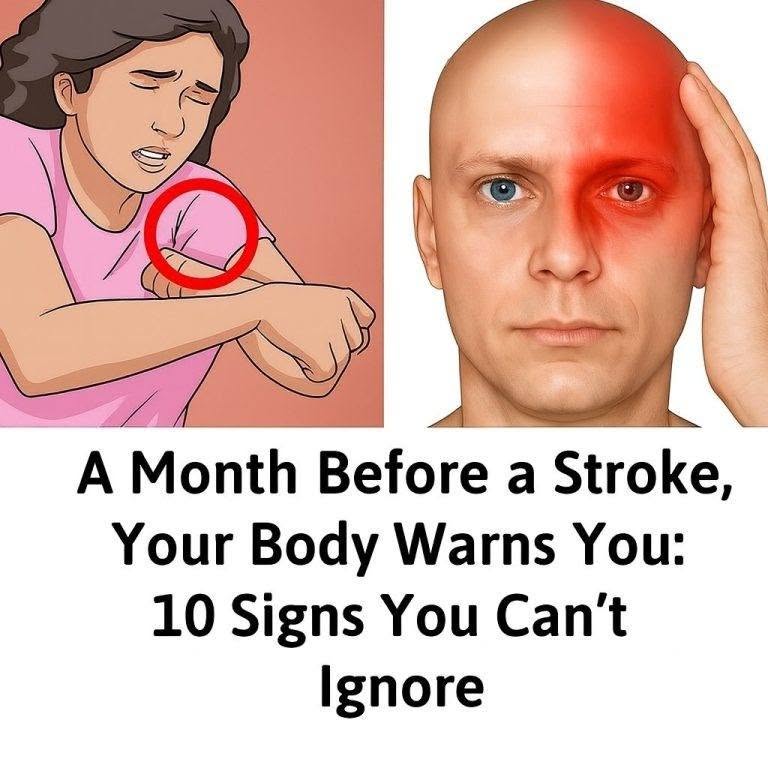
A TIA is sometimes called a “mini-stroke” and is a major warning that a full stroke may follow.
Here are important warning signs that may occur days to weeks before a stroke:
1) Sudden numbness or weakness
Especially on one side of the face, arm, or leg—even if it comes and goes.
2) Brief speech problems
Slurred speech, trouble finding words, or confusion that resolves quickly.
3) Temporary vision loss or blurring
In one eye or parts of the visual field.
4) Sudden dizziness or loss of balance
Feeling unsteady, stumbling, or unexplained coordination problems.
5) Unexplained severe headaches
Especially if unusual for you or different from past headaches.
6) Short episodes of confusion
Trouble concentrating or sudden mental “fog.”
7) Tingling sensations
Pins-and-needles on one side of the body without clear cause.
8) Difficulty walking
Leg weakness or dragging a foot that improves later.
9) Sudden fatigue or collapse feeling
Unexplained extreme tiredness with neurological symptoms.
10) Repeated “mini-episodes”
Symptoms that come and go over minutes to hours (a key sign of TIA risk).
Very important point
If any of these happen—even if they go away quickly—it is still a medical emergency, because:
- TIAs often occur hours to weeks before a major stroke
- Early treatment can significantly reduce stroke risk
Remember FAST for real-time stroke:
- Face drooping
- Arm weakness
- Speech trouble
- Time to seek emergency care immediately
Bottom line
The body may give warning episodes, but there is no reliable “1-month countdown.” Any sudden neurological symptoms should be taken seriously right away.
If you want, I can also explain who is most at risk for stroke in everyday life and how to reduce that risk.