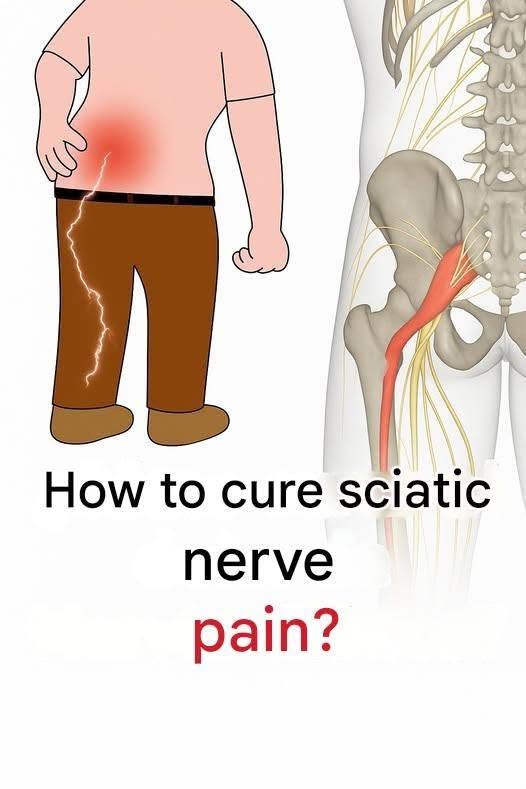
Posts claiming a “simple technique to say goodbye to lower back pain and sciatica” are often exaggerated. While certain exercises and habits can help, there is no single technique that works for everyone or permanently cures sciatica.
What may help with lower back pain and sciatica
- Stay as active as you can
- Prolonged bed rest is generally not recommended for most cases of uncomplicated low back pain.
- Gentle stretching
- Stretching the hips, hamstrings, and lower back may help some people, but avoid movements that worsen your pain.
- Strengthening exercises
- Building core and back muscle strength can improve spinal support over time.
- Use heat or ice
- Ice may help during the first 24–48 hours after an injury.
- Heat may help relax tight muscles afterward.
- Practice good posture
- Sitting with good back support and avoiding prolonged sitting may reduce discomfort.
- Lift objects safely
- Bend your knees and keep the object close to your body instead of bending at the waist.
When to seek medical care promptly
See a healthcare professional right away if back pain is accompanied by:
- Severe or worsening leg weakness
- Loss of bladder or bowel control
- Numbness in the groin or inner thighs (“saddle” numbness)
- Fever, unexplained weight loss, or pain after significant trauma
- Pain that is severe, persistent, or not improving after several weeks
Bottom line
Many episodes of lower back pain improve with time, staying active, and appropriate exercises. However, persistent or severe sciatica should be evaluated, as treatment depends on the underlying cause. If you’re experiencing ongoing symptoms, a healthcare professional or physical therapist can recommend exercises tailored to your condition.