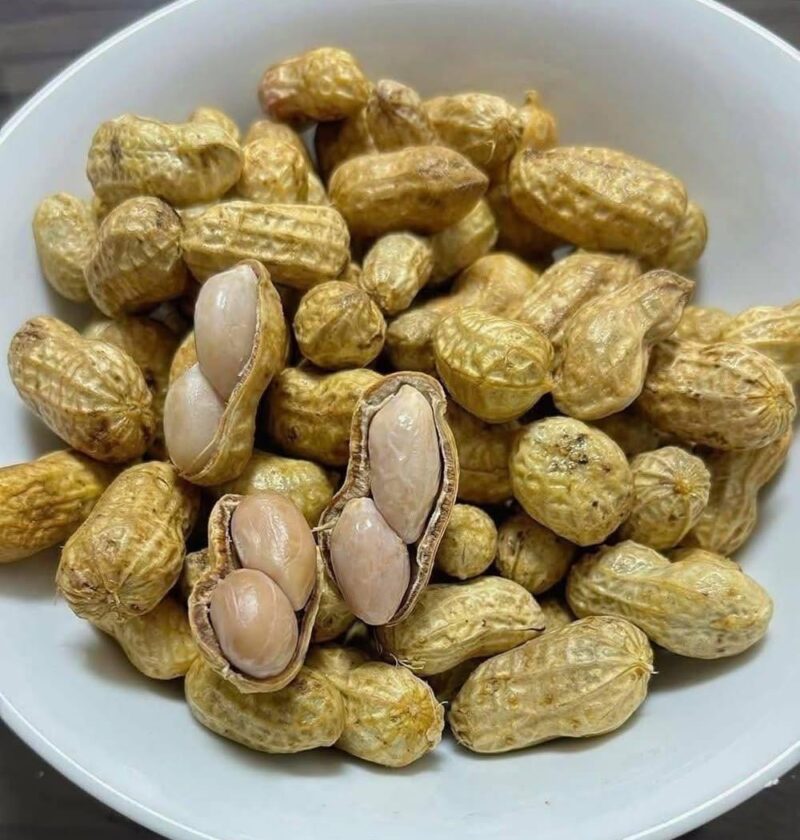
“According to Doctors, Eating Peanuts May Lead To…” — What’s the Truth?
This headline is incomplete, and peanuts are not inherently harmful for most people. In fact, peanuts provide protein, fiber, unsaturated fats, vitamins and minerals, and research has found associations between nut/peanut consumption and improvements in several cardiovascular risk markers. (PubMed Central (PMC))
🥜 When peanuts can cause problems
- Allergic reactions — Peanut allergy can cause hives, swelling, vomiting, breathing difficulty and, in severe cases, life-threatening anaphylaxis. (National Institutes of Health)
- Extra calories — Peanuts are energy-dense, so very large portions can contribute substantial calories.
- Digestive discomfort — Eating a lot at once may cause bloating or stomach discomfort, particularly in people sensitive to high-fiber foods.
- Added salt or sugar — Heavily salted or sugar-coated peanuts aren’t nutritionally equivalent to plain peanuts.
- Aflatoxin exposure — Improperly stored nuts can become contaminated with aflatoxins produced by mold. Commercial food controls keep exposure low, but visibly moldy, damaged or improperly stored peanuts should be discarded. (MedlinePlus)
❤️ What about cholesterol?
Contrary to many viral posts, peanuts don’t simply “clog your arteries.” A systematic review of randomized trials found that nut and peanut consumption was associated with favorable changes in several cardiovascular biomarkers, although the strength of evidence varied between outcomes. (PubMed Central (PMC))
Bottom line: For people without a peanut allergy, a moderate portion of plain or minimally processed peanuts can fit well into a healthy diet. The biggest concern is not peanuts themselves but allergy, excessive portions, highly processed varieties, or contaminated/improperly stored nuts.