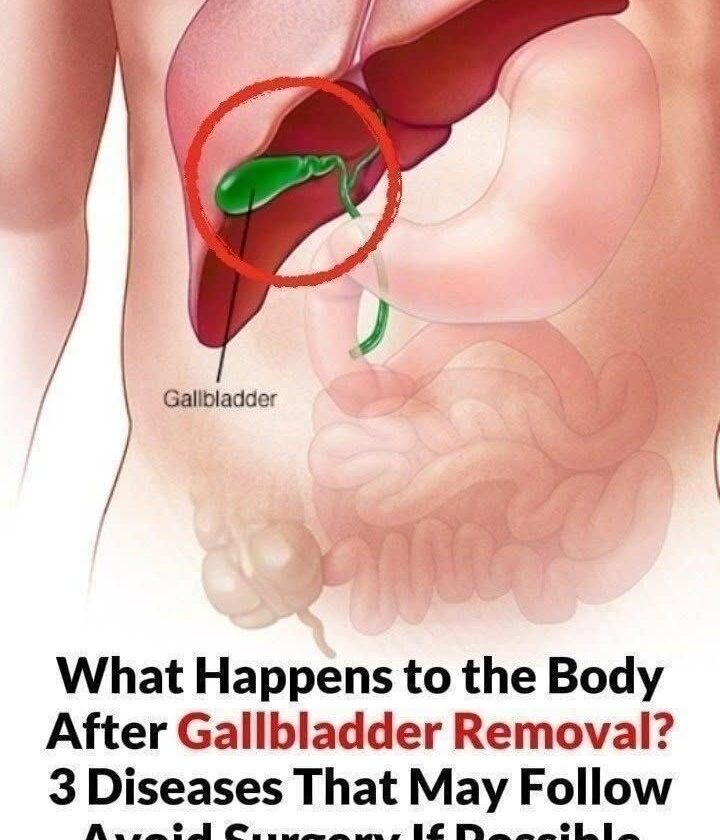
Gallbladder removal (Cholecystectomy) is a common operation and is often the recommended treatment for painful gallstones or certain gallbladder diseases. However, headlines claiming you should “avoid the surgery when possible” are misleading. For many people, delaying a medically necessary cholecystectomy can lead to serious complications, including infection, inflammation, or pancreatitis.
That said, some people do experience changes after surgery. Three conditions that may occur include:
- Digestive symptoms: Some people develop diarrhea, bloating, or difficulty digesting fatty meals after surgery. These symptoms are usually mild and improve over time, though a small percentage of people have longer-lasting issues.
- Post-cholecystectomy syndrome: This term describes persistent or new symptoms—such as upper abdominal pain, indigestion, nausea, or diarrhea—after gallbladder removal. The symptoms may be related to changes in bile flow or another digestive condition, and they often require medical evaluation to identify the cause.
- Bile acid diarrhea: Without the gallbladder to store bile, bile can flow more continuously into the intestine. In some people, this contributes to chronic diarrhea. When this occurs, it can often be treated with medications that bind bile acids, along with dietary adjustments.
It’s important to keep these risks in perspective:
- Most people recover well after gallbladder removal and return to normal activities within weeks.
- Many people can eat a regular diet again, although some find they tolerate smaller, lower-fat meals better, especially during recovery.
- The decision to have surgery should be based on your symptoms, imaging findings, overall health, and discussion with a healthcare professional—not on generalized claims online.
If you have gallstones that aren’t causing symptoms, surgery isn’t always necessary. However, if you have recurrent gallbladder attacks, complications, or certain high-risk conditions, surgery may provide the safest and most effective long-term treatment.
If you’re considering gallbladder surgery, ask your healthcare provider:
- Why is surgery recommended in my case?
- What are the risks of delaying or avoiding surgery?
- Are there non-surgical options that are appropriate for me?
- What can I expect during recovery?
The best choice depends on your individual situation rather than a one-size-fits-all rule.