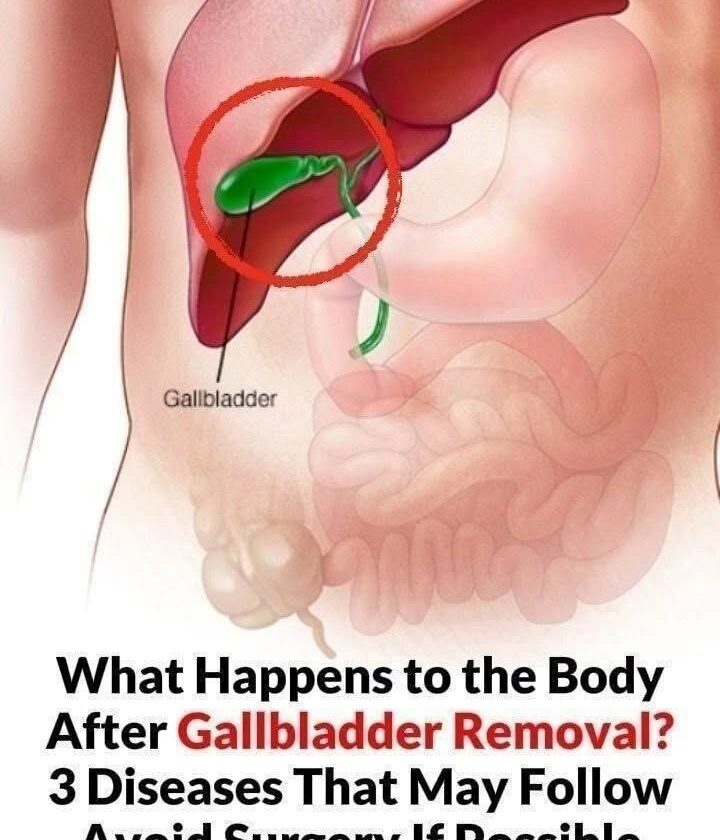
That headline is misleading because it implies that gallbladder removal should generally be avoided. In reality, gallbladder removal (cholecystectomy) is a common operation that is often the recommended treatment for symptomatic gallstones or certain gallbladder diseases. For many people, the benefits outweigh the risks.
Some conditions or symptoms that can occur after gallbladder removal include:
- Diarrhea or loose stools
- Some people experience more frequent bowel movements because bile flows continuously into the intestine instead of being stored in the gallbladder. This is often temporary, though it can persist in a small number of people.
- Digestive discomfort
- Bloating, gas, or difficulty tolerating very fatty meals may occur, especially in the first weeks or months after surgery.
- Post-cholecystectomy syndrome
- A small percentage of people continue to have abdominal pain, indigestion, or other digestive symptoms after surgery. Sometimes this is due to another underlying condition rather than the surgery itself.
It’s important to keep these risks in perspective:
- Most people recover well and live normal lives without a gallbladder.
- Surgery is not recommended for everyone with gallstones. People with gallstones that cause no symptoms often do not need surgery.
- However, when gallstones cause recurrent pain, inflammation, infection, blockage of the bile ducts, or pancreatitis, delaying surgery can lead to serious complications.
If your doctor recommends gallbladder removal, it’s reasonable to ask:
- Why is surgery recommended in my case?
- Are there non-surgical options?
- What are the risks of waiting?
- What can I expect during recovery?
The decision should be based on your specific condition, symptoms, and overall health rather than on generalized claims from viral headlines.