Night cramps (especially leg cramps during sleep) can happen to anyone, but they are more common in certain groups. People at higher risk include:
- Older adults — muscle mass, flexibility, and circulation can change with age.
- People who are physically inactive — reduced muscle conditioning and flexibility may contribute.
- People who exercise intensely or overuse muscles — especially after unusual activity.
- Those who are dehydrated — fluid loss from sweating, illness, or not drinking enough may increase risk.
- People with certain medical conditions, including:
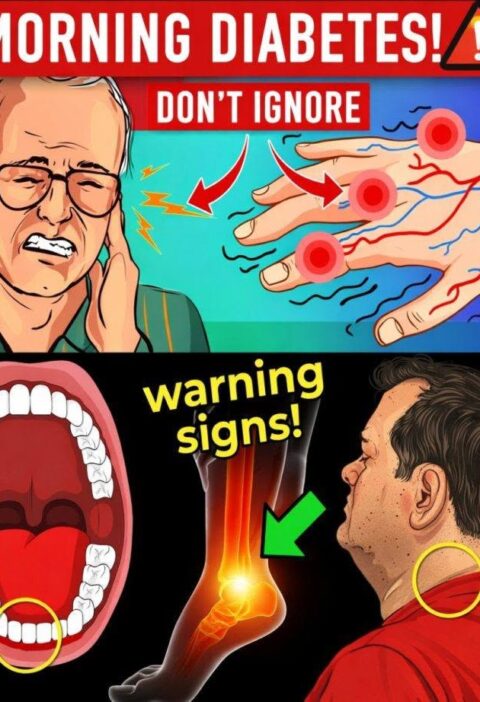
- Diabetes (especially with nerve or circulation problems)
- Kidney disease
- Thyroid disorders
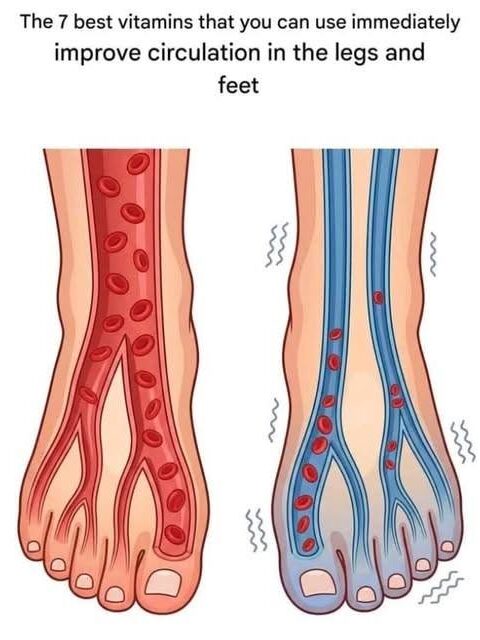
- Peripheral artery disease
- Nerve disorders
- Pregnant people, particularly in later pregnancy.
- People taking certain medications, such as some diuretics (“water pills”) or medicines that affect electrolytes.
Helpful habits that may reduce cramps include:
- Gentle calf and leg stretching before bed
- Regular movement and strengthening exercises
- Staying hydrated
- Wearing supportive footwear
- Reviewing medications with a healthcare professional if cramps are frequent or new
Seek medical advice if cramps are severe, happen often, cause weakness, involve swelling/redness, occur with numbness, or start suddenly without a clear reason.