After Gallbladder Removal: 3 Conditions You Could Develop — Understanding the Risks and Benefits
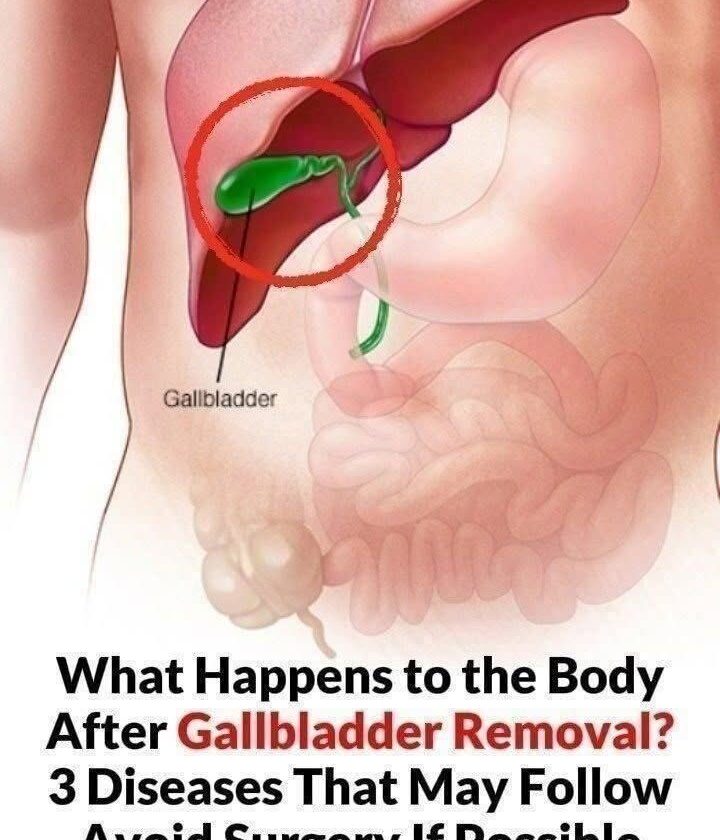
Gallbladder removal surgery (cholecystectomy) is a common procedure, usually recommended for problems such as repeated gallstones, gallbladder inflammation, or complications that could become dangerous. Like any surgery, it has possible risks and side effects, but it is not automatically harmful for everyone.
The idea that you should “avoid the surgery whenever possible” is too broad. For some people, removing the gallbladder prevents serious problems and improves quality of life. For others, doctors may recommend monitoring or other treatments depending on the situation.
1. Digestive Changes After Surgery
The gallbladder stores bile and releases it when needed to help digest fats. After removal, bile flows continuously from the liver into the intestine.
Some people may experience:
- Loose stools or diarrhea
- Gas or bloating
- Trouble digesting very fatty meals
- Changes in bowel habits
These symptoms are often temporary, but some people have longer-lasting digestive issues.
2. Post-Cholecystectomy Syndrome
A small number of people develop ongoing symptoms after gallbladder removal, sometimes called post-cholecystectomy syndrome.
Possible symptoms include:
- Abdominal discomfort
- Indigestion
- Nausea
- Bloating
- Diarrhea
The causes vary and may include bile-related problems, remaining stones, or other digestive conditions that were not caused by the gallbladder itself.
3. Bile-Related Problems
In some cases, changes in bile flow can contribute to issues such as:
- Bile acid diarrhea
- Irritation of the digestive tract
- Rare bile duct complications
These conditions can often be treated with dietary changes or medications