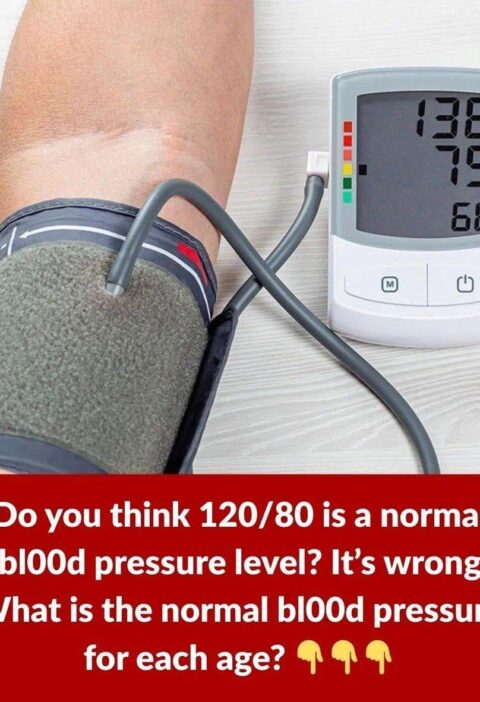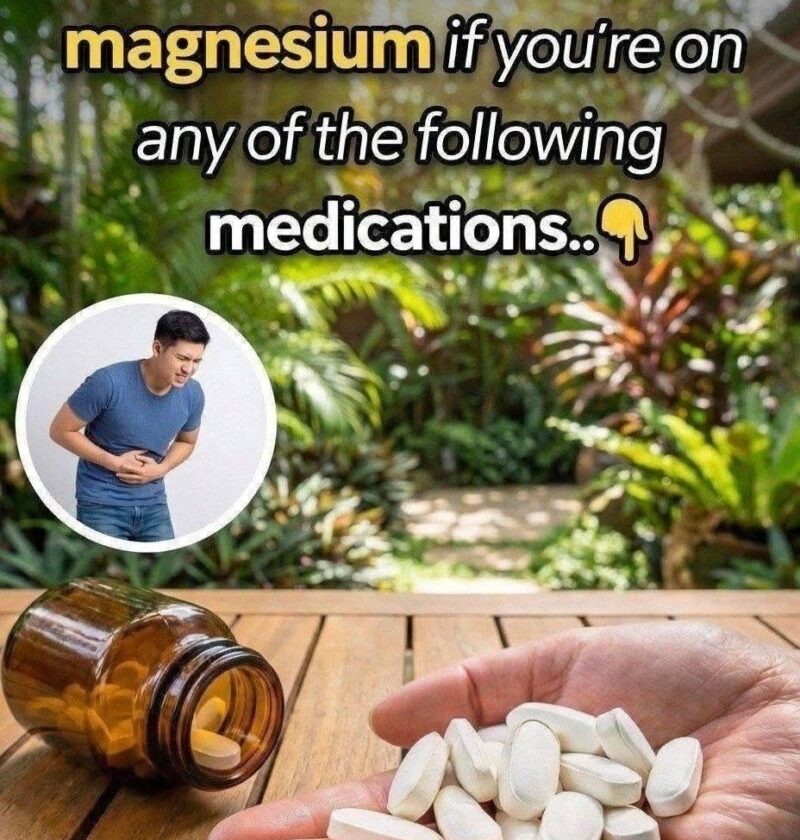
That social media claim is partly true but exaggerated.
Magnesium does not generally “cancel out” blood pressure or heart medications. However, magnesium supplements can interact with certain medicines or increase the risk of side effects in some situations.
Here are some important considerations:
- Blood pressure medications (such as ACE inhibitors, ARBs, beta-blockers, and calcium channel blockers): Magnesium doesn’t usually reduce their effectiveness. However, because magnesium can have a mild blood pressure–lowering effect, taking it with these medications may increase the chance of blood pressure becoming too low in some people.
- Diuretics (“water pills”): Some diuretics lower magnesium levels, while others (such as potassium-sparing diuretics) can increase the risk of magnesium building up, especially if kidney function is impaired.
- Digoxin: People taking digoxin should not start magnesium supplements without medical advice. Both low and high magnesium levels can affect heart rhythm and influence how digoxin works.
- Certain antibiotics (such as tetracyclines and fluoroquinolones): Magnesium can bind to these drugs in the gut and reduce their absorption. It’s usually recommended to separate them by at least 2–4 hours.
- Levothyroxine (thyroid medication) and bisphosphonates (for osteoporosis): Magnesium can reduce absorption, so these medications should also be taken several hours apart from magnesium supplements.
Key points
- Magnesium-rich foods (nuts, seeds, beans, leafy greens) are generally safe for most people.
- Supplements deserve more caution, particularly if you have kidney disease or take multiple medications.
- Don’t stop or avoid a prescribed heart or blood pressure medication because of a social media post.
If you’re taking specific medications, tell me their names (for example, amlodipine, lisinopril, metoprolol, losartan, or digoxin), and I can explain whether magnesium is likely to interact with them and how to take them safely.