Aneurysm: Warning Signs You Shouldn’t Ignore
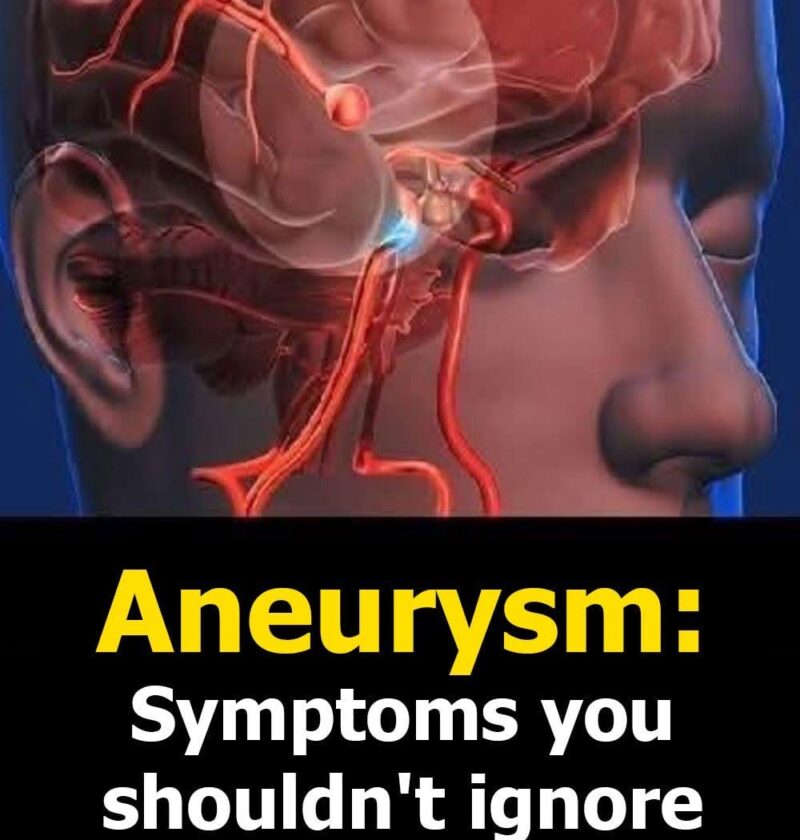
An aneurysm is a weakened, bulging area in the wall of a blood vessel. Many aneurysms cause no symptoms until they become large, leak, or rupture. A ruptured aneurysm is a medical emergency that requires immediate treatment.
The symptoms depend on where the aneurysm is located.
Brain Aneurysm
An unruptured brain aneurysm may not cause any symptoms. If it does, symptoms can include:
- Headaches
- Vision changes or double vision
- Pain above or behind one eye
- Numbness or weakness on one side of the face
Signs of a Ruptured Brain Aneurysm (Emergency)
Seek emergency medical help immediately if someone experiences:
- A sudden, severe headache (“the worst headache of my life”)
- Stiff neck
- Nausea or vomiting
- Sensitivity to light
- Confusion
- Seizures
- Loss of consciousness
Abdominal Aortic Aneurysm (AAA)
An aneurysm in the abdomen may cause:
- Deep, persistent pain in the abdomen or back
- A pulsating feeling near the navel
Signs of a Ruptured AAA (Emergency)
Call emergency services immediately if there is:
- Sudden, severe abdominal or back pain
- Dizziness or fainting
- Rapid heartbeat
- Cold, clammy skin
Thoracic Aortic Aneurysm
An aneurysm in the chest may cause:
- Chest pain
- Back pain
- Shortness of breath
- Hoarseness
- Difficulty swallowing