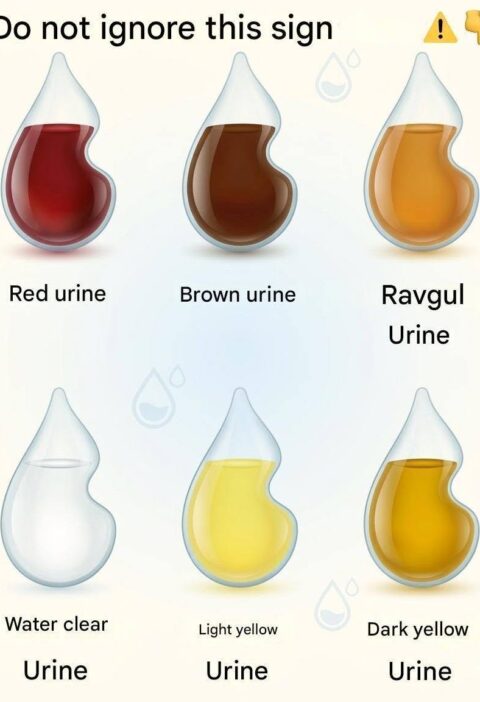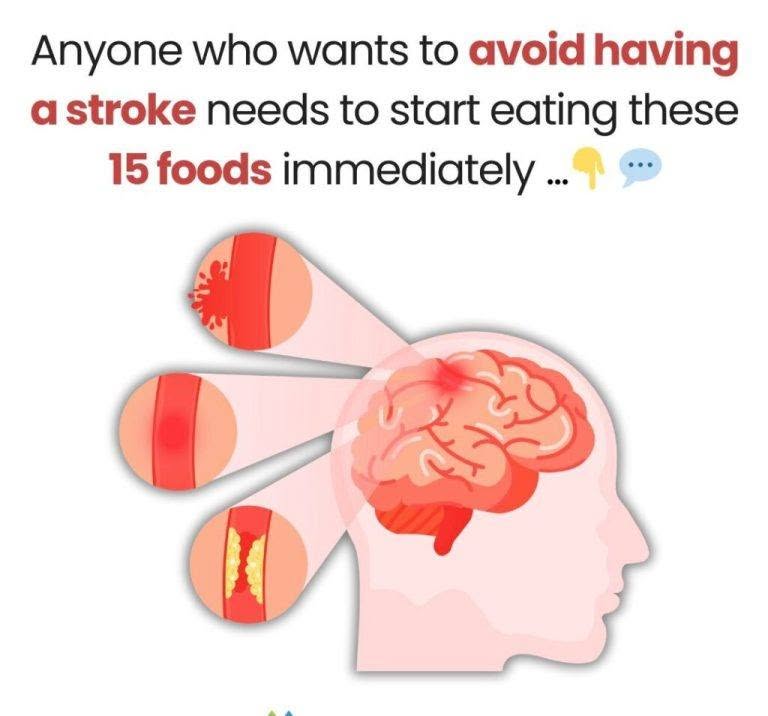
That headline is another classic “fear + miracle list” style claim. There is no set of 15 specific foods that will prevent a stroke immediately, and nothing works that fast.
Stroke risk is influenced by long-term factors like blood pressure, diabetes, smoking, cholesterol, and physical activity—not a single food list.
What actually matters for stroke prevention
Strokes are mainly linked to conditions like:
- Ischemic stroke
- Hemorrhagic stroke
Major risk factors:
- high blood pressure (biggest one)
- high cholesterol
- diabetes
- smoking
- sedentary lifestyle
- obesity
Foods that may support lower stroke risk (as part of a diet)
There isn’t a magic list, but research supports overall dietary patterns like the Mediterranean-style diet.
Helpful food groups include:
1. Vegetables and fruits
- leafy greens, berries, citrus
- high in fiber and antioxidants
2. Whole grains
- oats, brown rice, whole wheat
- help improve cholesterol and blood sugar
3. Healthy fats
- nuts, seeds, olive oil
- linked with better heart health
4. Fish (omega-3 sources)
- salmon, sardines, mackerel
- may support vascular health
5. Legumes
- lentils, beans, chickpeas
- improve cholesterol and satiety
These are often part of diets associated with lower risk of:
- Atherosclerosis
- Hypertension
Why “15 foods” lists are misleading
- They imply a short-term fix (“start immediately”)
- They ignore overall lifestyle and genetics
- They mix normal healthy foods with exaggerated promises
- Stroke prevention is about patterns, not items
What actually reduces stroke risk most
Much stronger than any food list:
- controlling blood pressure
- regular exercise
- not smoking
- managing diabetes
- limiting salt and ultra-processed foods
- regular medical checkups
Bottom line
There are no “15 foods” that prevent stroke on their own or immediately. The real protection comes from long-term dietary patterns (like a Mediterranean-style diet) plus lifestyle control of blood pressure and metabolic health.
If you want, I can show you a realistic “daily meal plan for stroke prevention” that is actually evidence-based and not clickbait.