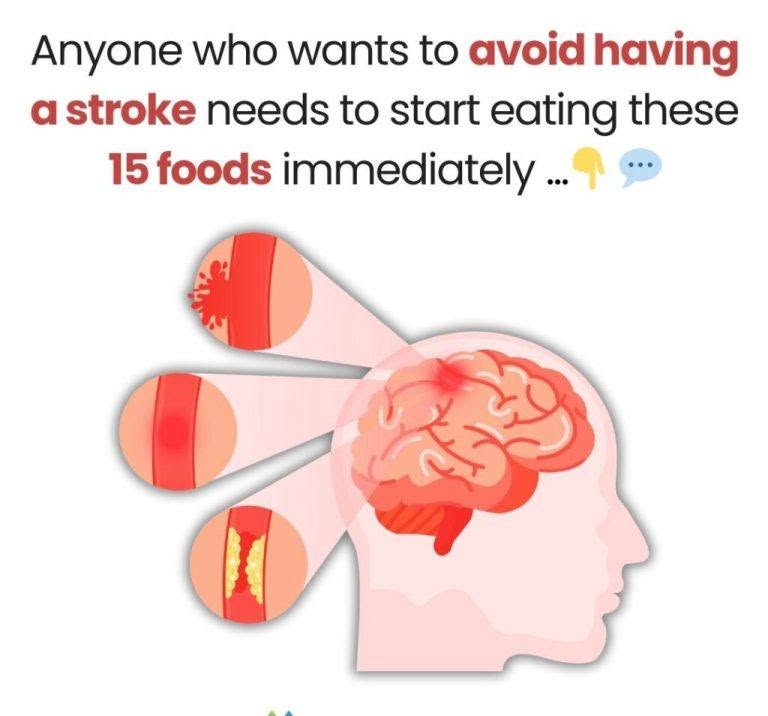
No single food can prevent a stroke, and headlines claiming you need to eat certain foods “immediately” are exaggerated. However, a diet rich in certain foods can help lower risk factors such as high blood pressure, high cholesterol, type 2 diabetes, and obesity.
Here are 15 foods associated with better heart and brain health:
- Leafy greens – Spinach, kale, collard greens; rich in potassium, folate, and nitrates.
- Berries – Blueberries, strawberries, and raspberries provide antioxidants and fiber.
- Fatty fish – Salmon, sardines, mackerel, and trout contain omega-3 fats.
- Whole grains – Oats, brown rice, quinoa, and whole-wheat bread help support healthy cholesterol levels.
- Beans and lentils – High in fiber, protein, and minerals.
- Nuts – Almonds, walnuts, and pistachios provide healthy fats.
- Seeds – Flaxseeds and chia seeds are good sources of omega-3s and fiber.
- Olive oil – A key source of healthy monounsaturated fats.
- Avocados – Rich in healthy fats, fiber, and potassium.
- Citrus fruits – Oranges and grapefruit provide vitamin C and flavonoids.
- Tomatoes – Contain lycopene, an antioxidant.
- Garlic – May have modest effects on blood pressure in some people.
- Yogurt – Unsweetened yogurt provides protein and calcium.
- Broccoli – Rich in fiber, vitamins, and antioxidants.
- Green tea – Contains polyphenols that may support cardiovascular health.
Other important ways to reduce stroke risk
Diet is only one part of prevention. You can also lower your risk by:
- Keeping your blood pressure under control.
- Being physically active.
- Not smoking.
- Limiting alcohol.
- Managing diabetes and cholesterol if you have them.
- Maintaining a healthy weight.
- Taking prescribed medications as directed.
If you experience sudden facial drooping, arm weakness, difficulty speaking, vision changes, severe dizziness, or a sudden severe headache, seek emergency medical care immediately. Prompt treatment can be lifesaving.