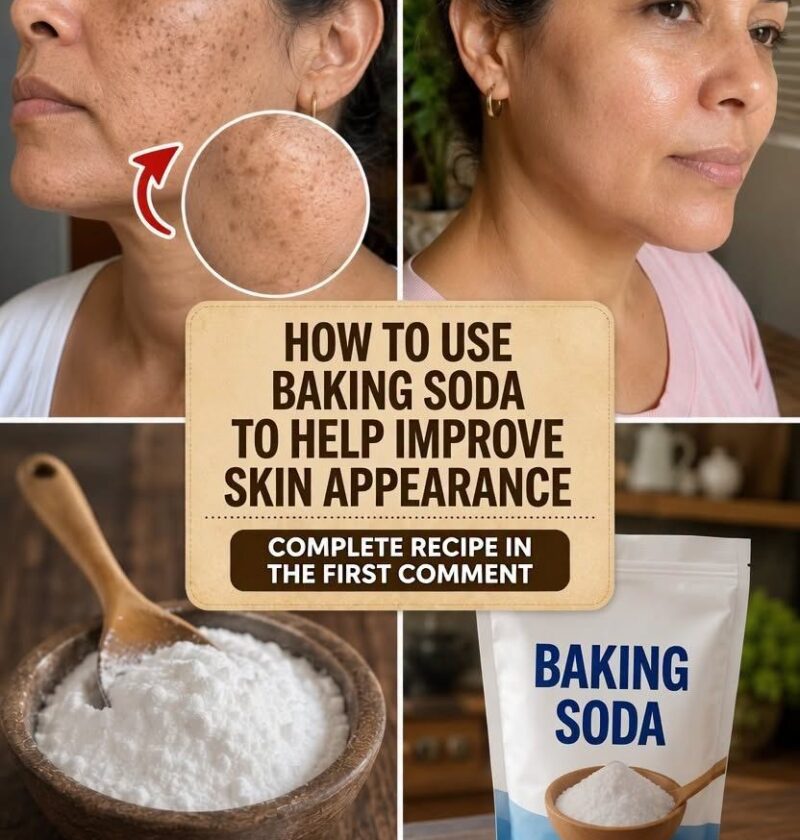
Baking Soda for Your Face: Benefits, Risks, and How to Use It Safely
Baking soda (sodium bicarbonate) is sometimes used in DIY skincare because it feels cleansing and can mildly exfoliate. However, it is not considered an ideal facial skincare ingredient for most people because it can disrupt the skin’s natural protective barrier.
Possible benefits
1. Gentle-looking exfoliation
- Baking soda has a fine texture that may remove some surface dead skin cells.
- This can temporarily make skin feel smoother.
2. Oil absorption
- Its powdery texture may absorb some surface oil.
- Some people use it in homemade masks for oily skin.
3. Temporary odor reduction
- Its ability to neutralize odors is useful in some body-care applications, though this does not make it a proven facial treatment.
Risks of using baking soda on your face
1. Skin barrier damage
- Healthy skin is naturally slightly acidic (the “acid mantle”).
- Baking soda is alkaline and may raise skin pH, potentially causing dryness, irritation, or sensitivity.
2. Irritation and redness
- Frequent use may lead to:
- Burning or stinging
- Tight, dry skin
- Flaking
- Increased sensitivity
3. Worsening certain skin conditions
People with:
- Eczema
- Rosacea
- Sensitive skin
- Acne-prone or inflamed skin
may find baking soda makes symptoms worse.
If you choose to try it
- Do a patch test first on a small area of skin.
- Avoid using it as a daily scrub.
- Do not scrub aggressively.
- Avoid applying it to broken, irritated, or sunburned skin.
- Moisturize afterward.
Safer alternatives
For exfoliation or skincare concerns, products designed for facial skin are usually better choices:
- Salicylic acid for clogged pores and some acne concerns
- Lactic acid or glycolic acid for gentle exfoliation
- Ceramide-based moisturizers for supporting the skin barrier
Baking soda can be useful around the home, but for facial skincare, gentler, pH-balanced products are usually a safer long-term option.