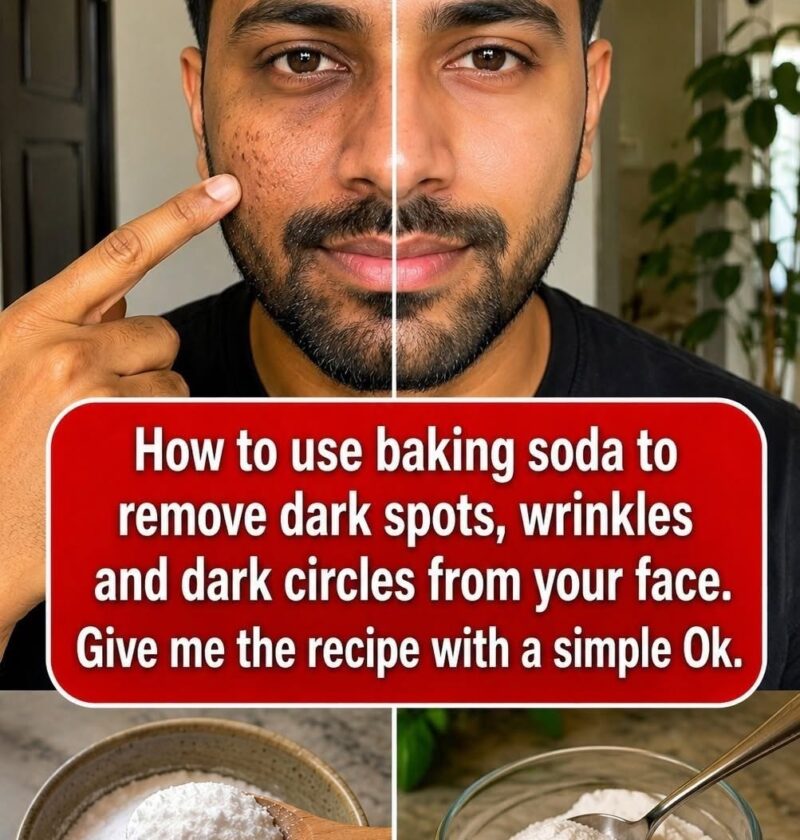
Baking Soda on the Face: Benefits, Risks, and How to Use It Safely
Baking soda (sodium bicarbonate) is sometimes used in DIY skincare because of its mild abrasive texture and alkaline properties. However, it is not considered an ideal facial skincare ingredient for most people because it can disrupt the skin’s natural barrier.
Possible Benefits
1. Gentle surface exfoliation (with caution)
Baking soda particles may remove some dead skin cells, making skin feel smoother temporarily.
2. Oil absorption
Its powdery texture may absorb some surface oil, though this effect is usually short-lived.
3. Temporary odor reduction
Baking soda can neutralize odors, which is why it is sometimes used in homemade personal-care products.
Risks of Using Baking Soda on the Face
1. Skin barrier damage
Healthy skin is naturally slightly acidic. Baking soda is alkaline and may disturb the skin’s pH balance, causing dryness or irritation.
2. Irritation and redness
Some people may experience burning, itching, peeling, or increased sensitivity.
3. Worsening acne or skin conditions
Harsh DIY treatments can aggravate acne, eczema, rosacea, or sensitive skin.
4. Over-exfoliation
Frequent scrubbing can damage the protective outer layer of skin.
If You Choose to Try It
- Do a patch test first on a small area.
- Avoid using it on broken, irritated, or sunburned skin.
- Do not scrub aggressively.
- Avoid frequent use.
- Apply a gentle moisturizer afterward.
A Safer Alternative
For exfoliation, products containing ingredients like salicylic acid, lactic acid, or glycolic acid are generally formulated and tested for facial use and are often gentler when used correctly.
If you have sensitive skin, acne, dark spots, or a specific goal (glowing skin, oil control, pigmentation, etc.), a targeted skincare approach is usually safer than baking soda DIY remedies.