genui{“biology_anatomy_physiology_learning_block”:{“type_id”:”BLOOD_CIRCULATION”,”locale_override”:”en-US”}}
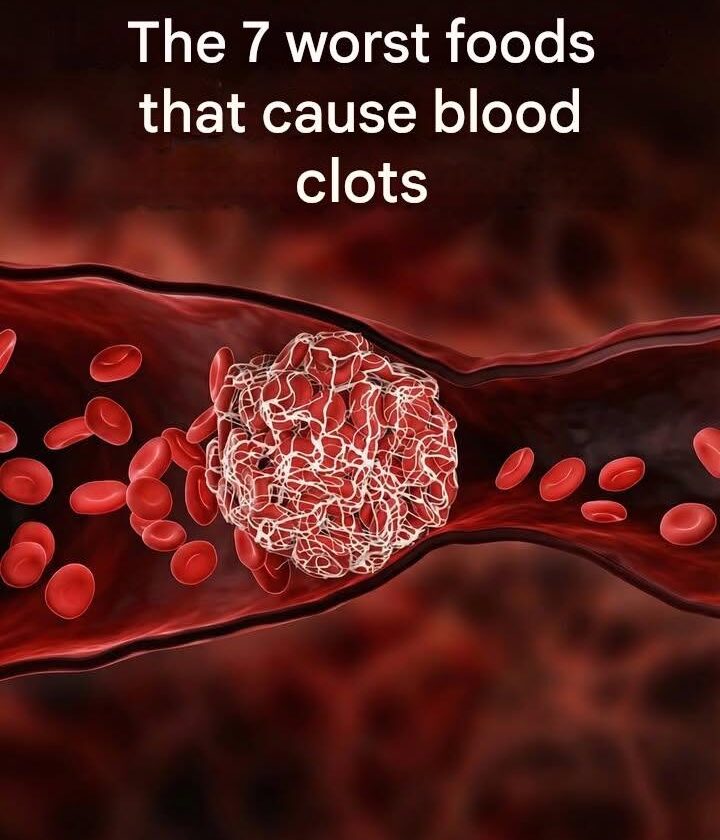
No single food can guarantee that you will never develop a blood clot, but a heart-healthy eating pattern can support good circulation, healthy blood vessels, and lower risk factors linked with clot formation.
Foods to include regularly:
🐟 1. Fatty fish (2–3 times per week)
- Salmon, sardines, mackerel, trout
- Rich in omega-3 fats, which may help reduce inflammation and support healthy blood vessel function.
🥬 2. Leafy green vegetables
- Spinach, kale, arugula, lettuce
- Provide nitrates, potassium, and antioxidants that support vascular health.
🫐 3. Berries and colorful fruits
- Blueberries, strawberries, oranges, pomegranate
- High in antioxidants that help protect blood vessel lining.
🫒 4. Healthy fats
- Extra-virgin olive oil, avocado, nuts, seeds
- Support cholesterol balance and heart health.
🌰 5. Nuts and seeds
- Walnuts, almonds, chia seeds, flaxseeds
- Provide healthy fats and minerals linked with cardiovascular health.
🫘 6. Beans and high-fiber foods
- Lentils, chickpeas, beans, oats, whole grains
- Fiber helps improve cholesterol levels and supports circulation.
🧄 7. Garlic and onions
- Contain compounds that may support normal blood vessel function.
🍵 8. Green tea
- Contains polyphenols that may benefit cardiovascular health.
Also important for circulation:
- Drink enough water to avoid dehydration.
- Limit smoking, excessive alcohol, excess salt, and highly processed foods.
- Stay physically active, since movement helps blood flow.
If you take blood thinners (such as warfarin), have had a clot before, or have a bleeding/clotting condition, check with a healthcare professional before making major diet changes—especially increasing vitamin K–rich foods like leafy greens.