Common Mistakes That Affect Balance in Older Adults
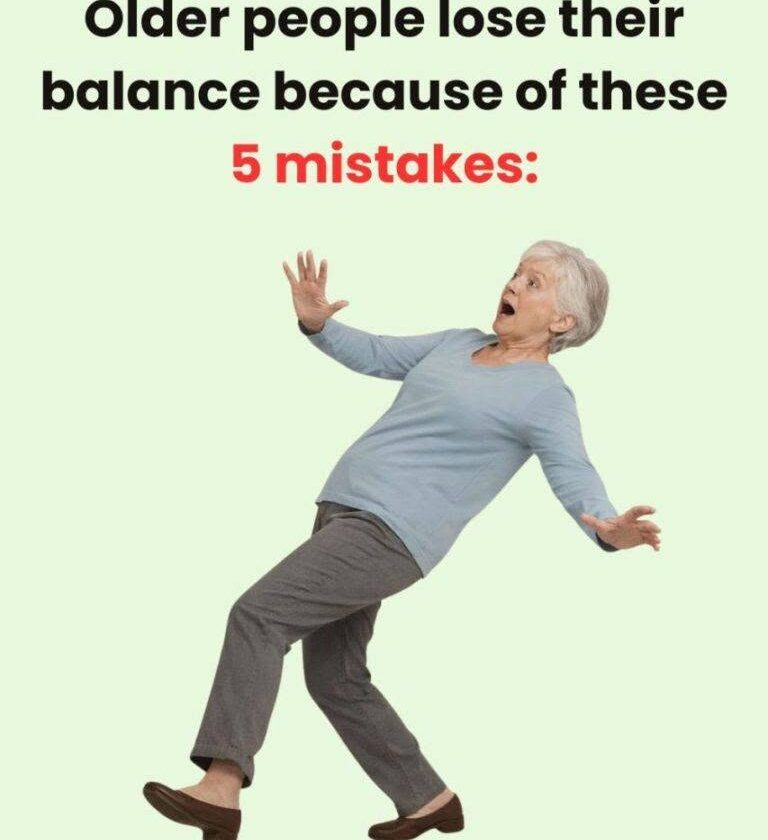
Balance problems aren’t simply an unavoidable part of aging. Several modifiable factors can make an older person more unsteady and increase the risk of falls. (NIA)
🚶 8 common mistakes
- Being too inactive — lack of activity can contribute to loss of muscle strength and stability.
- Ignoring medication side effects — some medicines can cause dizziness, sleepiness, confusion, or low blood pressure. (NIA)
- Standing up too quickly — a sudden drop in blood pressure can cause light-headedness and wobbliness. (NIA)
- Wearing unsafe footwear — loose slippers, smooth soles, and high heels can make falls more likely.
- Skipping vision checks — poor vision can interfere with judging steps, obstacles, and uneven surfaces. (NIA)
- Walking through clutter or poor lighting — loose rugs, cords, wet floors, and dark stairways are common hazards. (CDC)
- Drinking too much alcohol — alcohol can impair coordination and affect the inner ear’s balance mechanisms. (NIA)
- Ignoring repeated dizziness or unsteadiness — balance problems can sometimes be caused by inner-ear disorders, neurological conditions, heart problems, vision problems, or other medical conditions. (NIA)
💪 What can help?
Regular activity that works on leg strength and balance, such as appropriately supervised strength exercises or tai chi, can help maintain stability. Making the home safer—particularly bathrooms and stairs—is also important. (CDC)
If you’re repeatedly unsteady, falling, experiencing vertigo, or feeling faint, tell your healthcare professional rather than assuming it’s normal aging. A medication review and assessment of vision, gait, balance, blood pressure, and other possible causes may be appropriate. (NIA)
Bottom line: Good balance in later life isn’t about avoiding movement. It’s about staying active safely, reviewing medications, maintaining vision and hearing, wearing supportive footwear, and reducing fall hazards at home.