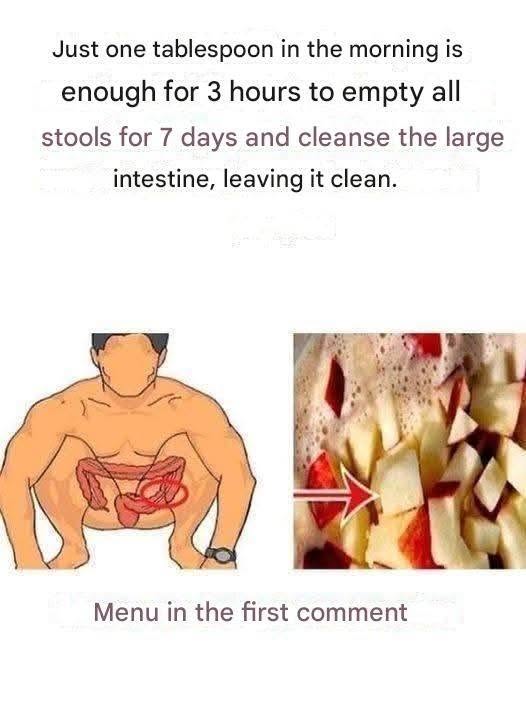
The headline “Constipation: Here are 3 natural ways to ease bowel movements, according to a dietitian” refers to common lifestyle approaches that may help relieve constipation. Constipation is usually defined as infrequent bowel movements, hard stools, or difficulty passing stools.
Three evidence-based approaches often recommended by dietitians include:
1. Increase fibre gradually
Fibre helps add bulk and softness to stools.
Good sources include:
- Fruits (such as prunes, pears, apples with skin).
- Vegetables.
- Beans and lentils.
- Oats and whole grains.
- Nuts and seeds (including chia or ground flaxseed).
Increase fibre slowly to reduce bloating and gas, and make sure you drink enough fluids.
2. Drink enough fluids
Dehydration can make stools harder and more difficult to pass.
Helpful habits:
- Drink regularly throughout the day.
- Have water with high-fibre meals.
- Increase fluids if you are sweating more or exercising.
(Some people with heart or kidney conditions may need specific fluid advice from a healthcare professional.)
3. Move your body regularly
Physical activity can help stimulate normal bowel movement patterns.
Examples:
- Walking.
- Gentle stretching.
- Regular exercise suited to your fitness level.
Other helpful habits
- Don’t ignore the urge to go.
- Try sitting on the toilet at a regular time, often after a meal when the bowel reflex is naturally stronger.
- Use a footstool to raise your knees slightly, which can make passing stool easier for some people.
Seek medical advice if constipation:
- Starts suddenly and is severe.
- Lasts several weeks without improvement.
- Comes with blood in the stool, unexplained weight loss, vomiting, fever, or severe abdominal pain.
- Occurs with a major change in bowel habits, especially later in life.
Natural measures help many people, but persistent constipation may have an underlying cause that needs evaluation.