First, the reality
Snakes do not “smell like humans do.” They mainly use:
- Their tongue (Jacobson’s organ) to “taste” chemical particles in the air
- Heat-sensing pits (in some species)
- Touch and vibration
So yes, they can detect chemicals in the environment—but the idea that specific household smells will reliably “repel them instantly” is not scientifically strong or consistent.
Common “snake-repelling smells” (what evidence says)
1. Garlic and onion
Garlic / Onion
- Often claimed to repel snakes
- No solid evidence they work in real-world outdoor conditions
- Smell disperses quickly outdoors
2. Vinegar
Vinegar
- May irritate some animals briefly in closed areas
- Ineffective outdoors for keeping snakes away
3. Ammonia
- Strong odor, sometimes used in pest control myths
- Not a reliable snake deterrent
- Can be harmful to humans and pets
4. Sulfur / mothballs
- Sometimes sold or suggested for snake control
- Mothballs are toxic and unsafe in open areas
- Not recommended for outdoor use
5. Essential oils (peppermint, cinnamon, etc.)
- Limited lab interest, but no strong field evidence
- Evaporate quickly outdoors
What actually works for snake prevention
Instead of smells, real snake control is about habitat management:
- Keep grass short and areas clean
- Remove piles of wood, stones, and debris
- Seal gaps under doors and walls
- Control rodent populations (snakes follow food)
- Use proper fencing if needed
Important point
Snakes don’t “hunt smells”—they follow:
- Food sources (rats, mice)
- Shelter (cool, dark hiding places)
If those are removed, snakes naturally avoid the area.
Bottom line
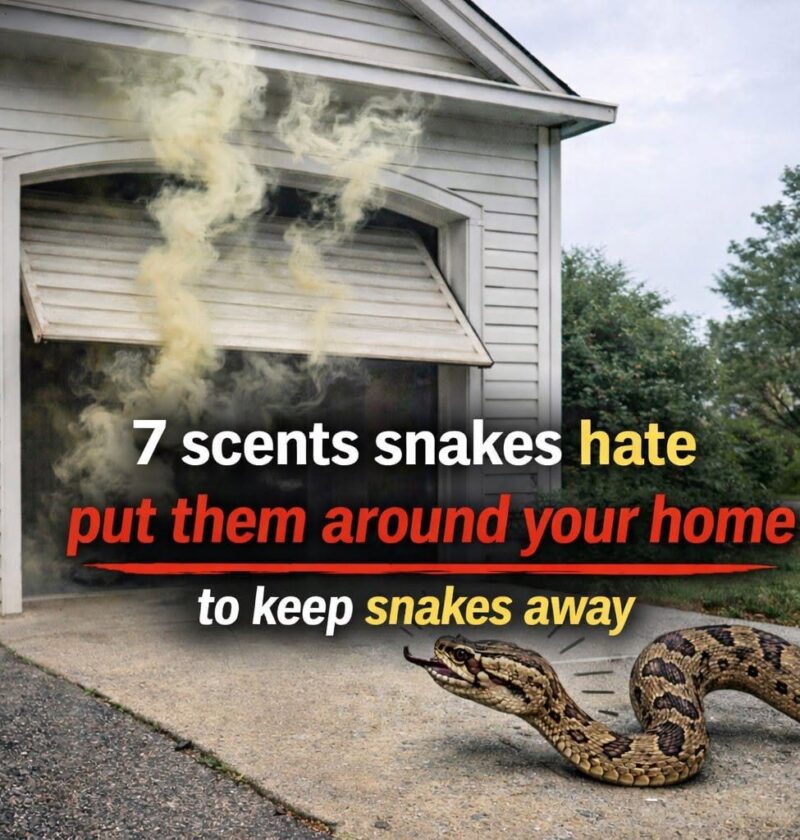
There is no proven set of smells that reliably repel snakes instantly. Most viral lists are oversimplified or misleading. The most effective prevention is keeping your environment less attractive to them.
If you want, tell me your area setup (garden, house, farm), and I can give practical snake prevention steps that actually work in real conditions.