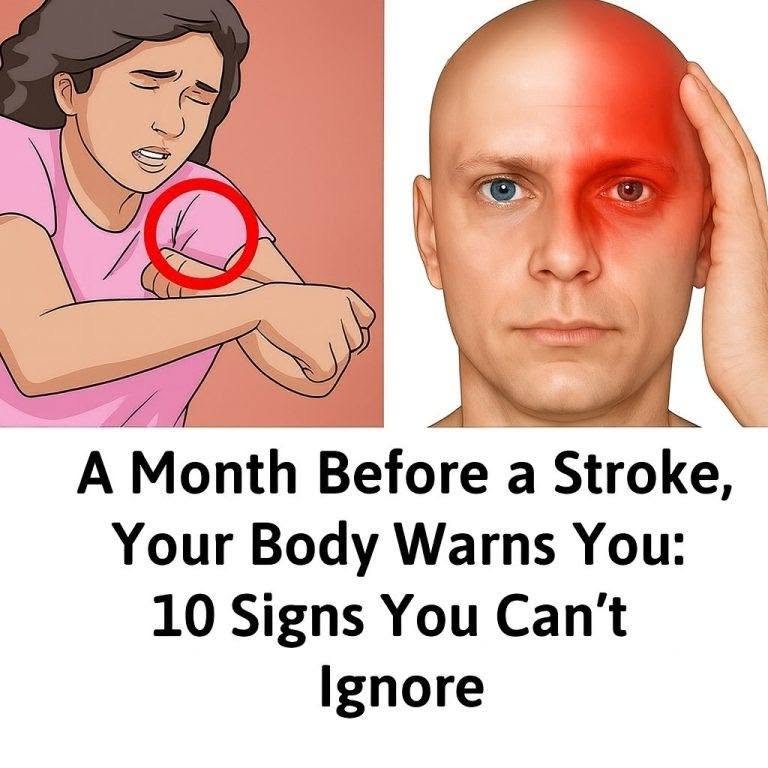
A stroke can sometimes be preceded by warning signs, but it is important to know that many strokes happen suddenly without a month of clear symptoms. Some people may experience transient ischemic attacks (TIAs, or “mini-strokes”) or other changes before a stroke. These symptoms should not be ignored.
10 possible warning signs that need attention:
- Sudden weakness or numbness
- Especially on one side of the face, arm, or leg.
- Trouble speaking or understanding speech
- Slurred words, confusion, or difficulty finding the right words.
- Sudden vision problems
- Blurred vision, double vision, or loss of vision in one or both eyes.
- Dizziness or loss of balance
- Trouble walking, coordination problems, or unexplained falls.
- Sudden severe headache
- Especially a “worst headache ever” or one that appears without a clear cause.
- Brief episodes of stroke-like symptoms
- Symptoms that disappear after minutes or hours may be a TIA and still require urgent medical evaluation.
- New or worsening confusion
- Difficulty understanding situations, conversations, or familiar tasks.
- Unusual fatigue or weakness
- Persistent, unexplained decline in energy can have many causes and should be evaluated if new.
- Numbness or tingling
- Especially if it affects one side of the body or comes with weakness.
- Changes in coordination or movement
- New difficulty using a hand, walking normally, or controlling movements.
Remember FAST:
- F — Face: Does one side droop?
- A — Arm: Is one arm weak or numb?
- S — Speech: Is speech difficult or unusual?
- T — Time: Call emergency services immediately.
If any stroke symptoms are happening right now, do not wait to see if they improve—seek emergency medical help. Early treatment can greatly affect outcomes.
Risk factors that increase stroke risk include high blood pressure, diabetes, smoking, high cholesterol, irregular heartbeat (such as atrial fibrillation), and previous TIA or stroke. Regular medical checkups and managing these risks are key prevention steps.