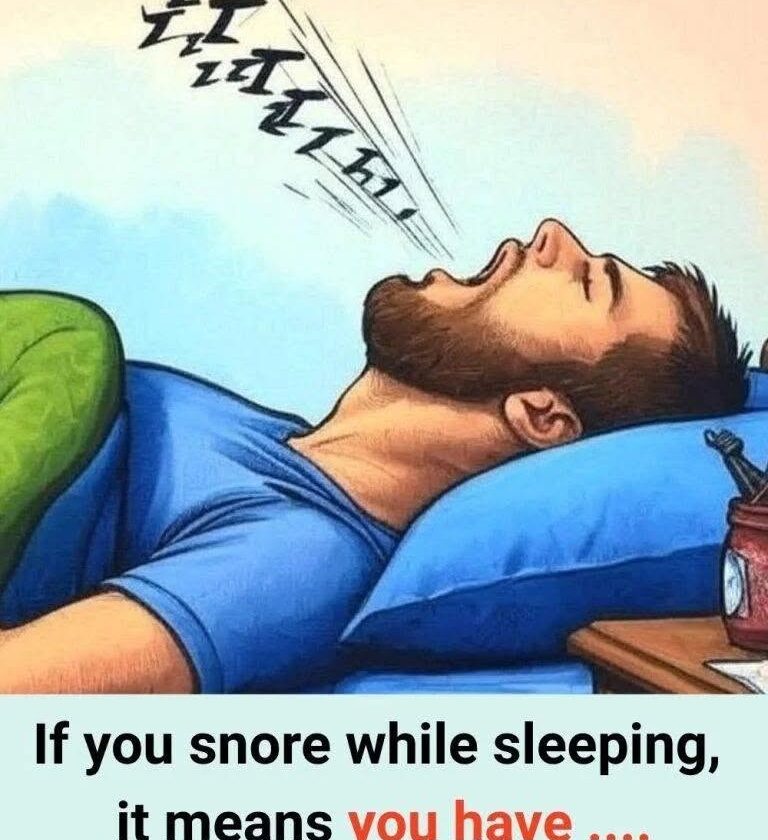
Yes, snoring can sometimes be more than just an annoying sound. While occasional snoring is common and often harmless, frequent, loud snoring may be a sign of an underlying condition—especially obstructive sleep apnea (OSA).
Possible signs that snoring may need attention include:
- Pauses in breathing during sleep
- A partner may notice you stop breathing briefly, then gasp or choke.
- Waking up feeling tired
- Even after a full night’s sleep, you may feel exhausted because your sleep is repeatedly disrupted.
- Morning headaches
- Changes in oxygen and carbon dioxide levels during sleep can contribute to headaches in some people.
- Daytime sleepiness
- Falling asleep easily during the day or struggling to stay alert can be a warning sign.
- Dry mouth or sore throat on waking
- Breathing through the mouth during sleep can cause this.
- Difficulty concentrating or mood changes
- Poor-quality sleep can affect memory, focus, and emotional well-being.
- High blood pressure
- Untreated sleep apnea is associated with a higher risk of hypertension and other cardiovascular problems.
When to consider seeing a healthcare professional
Talk to a doctor if snoring is:
- Loud and happens most nights.
- Associated with choking, gasping, or breathing pauses.
- Causing significant daytime fatigue.
- Occurring along with high blood pressure or other health concerns.
Helpful steps that may reduce ordinary snoring include maintaining a healthy weight if needed, avoiding alcohol close to bedtime, sleeping on your side, treating nasal congestion, and keeping a regular sleep schedule.
Snoring alone does not mean someone has a serious disease, but certain patterns—especially breathing interruptions—are worth checking.