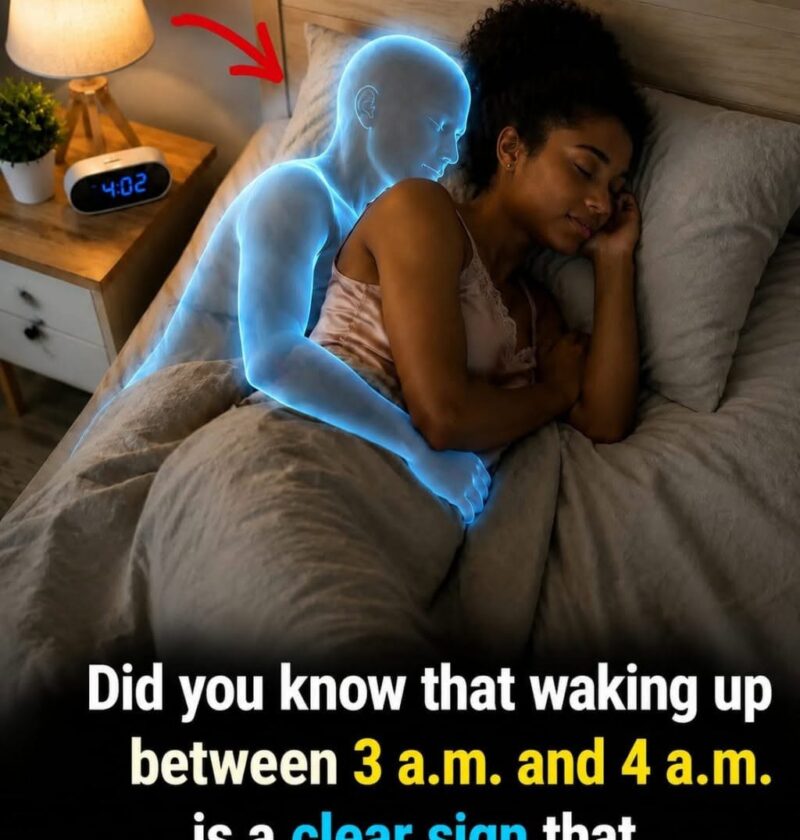
Waking up in the middle of the night (especially around 3–4 a.m.) is not a single “clear sign” of one disease. It can happen for many normal and medical reasons.
Waking Up at 3–4 A.M.: What It Can Actually Mean
1. Normal sleep cycle changes (most common)
Sleep naturally moves in cycles. In the early morning hours:
- Sleep becomes lighter
- You are more likely to wake up briefly
- Stress or noise can fully wake you
This is often normal.
2. Stress and anxiety
One of the biggest causes of early waking:
- Racing thoughts
- Cortisol (stress hormone) rising early morning
- Difficulty falling back asleep
3. Poor sleep habits
- Irregular sleep schedule
- Too much screen time before bed
- Caffeine late in the day
- Sleeping in a hot or noisy environment
4. Blood sugar fluctuations (in some people)
In people with Diabetes mellitus, low or unstable blood sugar at night may sometimes cause:
- Night waking
- Sweating
- Hunger
- Restlessness
But this is not the most common cause.
5. Hormonal changes
- Cortisol rises naturally in the early morning
- Thyroid issues can disturb sleep in some cases
- Menopause can cause night waking (hot flashes)
6. Sleep disorders
- Insomnia
- Sleep apnea (often with snoring, gasping)
- Restless legs syndrome
7. Lifestyle factors
- Late heavy meals
- Alcohol before bed
- Dehydration
- Lack of exercise
When It Might Be a Problem
You should pay attention if waking up at 3–4 a.m. happens:
- Most nights for weeks
- With fatigue during the day
- With anxiety or mood changes
- With loud snoring or breathing pauses
Important Reality Check
Waking up early does NOT automatically mean:
- Diabetes
- Liver disease
- Heart disease
- Or any single specific illness
It’s usually a multi-factor sleep issue, not a “hidden diagnosis signal.”
What Helps Improve Sleep
- Fixed sleep schedule
- Reduce caffeine after afternoon
- Limit screens before bed
- Keep room cool and dark
- Light evening meals
- Stress management (walks, breathing exercises)
Final Thoughts
The idea that waking up at 3–4 a.m. is a “clear sign of something serious” is misleading. It can be influenced by stress, lifestyle, sleep cycles, or sometimes medical conditions like Diabetes mellitus—but it is not a diagnostic symptom on its own.
If you want, I can turn this into a viral Facebook post version, a “10 reasons you wake up at 3 a.m.” list, or a short reel script with hooks and captions.