Yes, that claim is generally accurate, though it needs context.
Research suggests that sleeping position can influence acid reflux (gastroesophageal reflux disease, or GERD) symptoms:
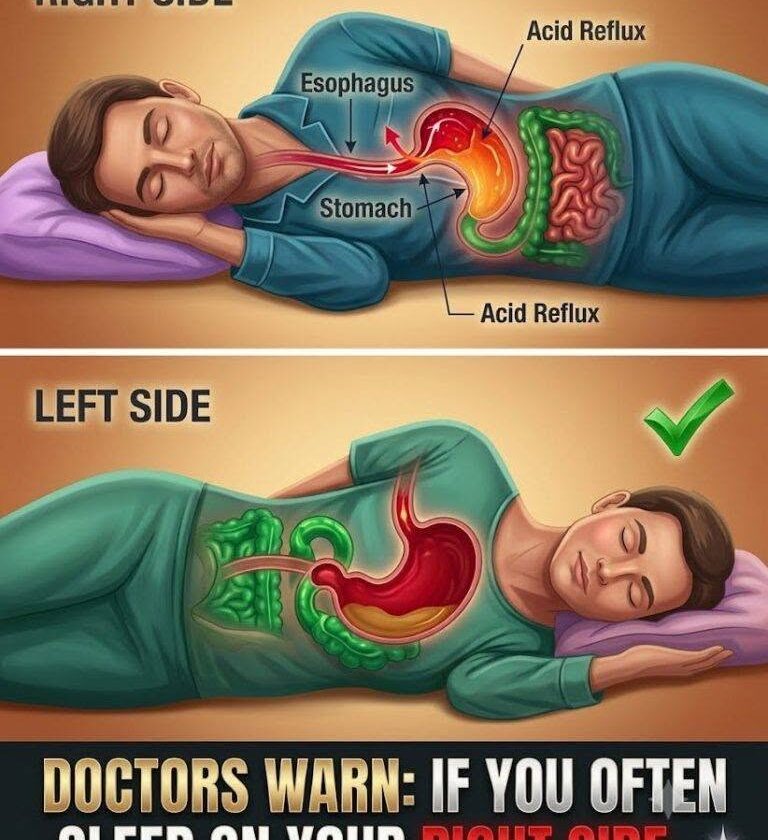
- Sleeping on your left side is often associated with fewer reflux episodes. This position may help keep stomach acid from flowing back into the esophagus due to the stomach’s anatomy.
- Sleeping on your right side may worsen reflux for some people because it can make it easier for stomach contents to move into the esophagus.
- Sleeping flat on your back can also allow reflux to occur more easily, especially after a large meal. Elevating the head of the bed by about 6–8 inches can help reduce nighttime reflux.
- Sleeping on your stomach may reduce reflux for some people but can cause neck or back discomfort, so it’s generally not recommended as a primary treatment.
Other measures that can help with nighttime acid reflux include:
- Avoid eating within 2–3 hours of bedtime.
- Maintain a healthy weight if recommended by your healthcare provider.
- Limit foods or drinks that trigger your symptoms (common triggers include fatty foods, alcohol, chocolate, caffeine, and spicy foods, though triggers vary by person).
- If symptoms are frequent or severe, discuss treatment options with a healthcare professional.
If you have heartburn more than twice a week, difficulty swallowing, unexplained weight loss, vomiting blood, or black stools, it’s important to seek medical evaluation, as these can indicate a more serious condition.
So, the headline is supported by medical evidence, but sleeping position is just one factor in managing acid reflux.