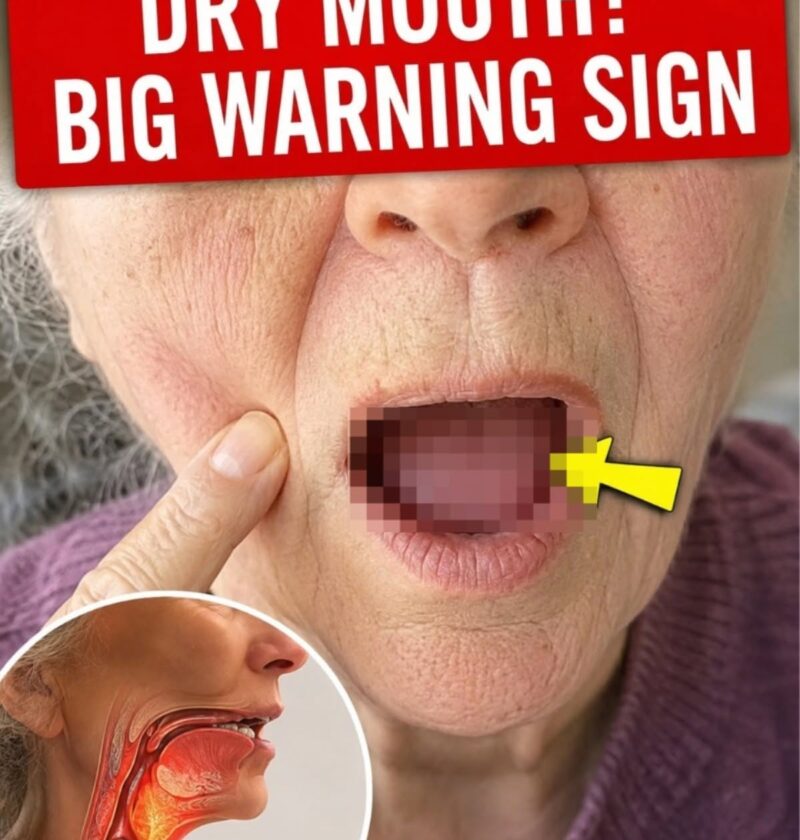
Waking up with a dry mouth occasionally is common, especially after sleeping with your mouth open. However, persistent dry mouth (xerostomia) can sometimes signal an underlying issue and is worth paying attention to.
Here are some common causes:
1. Mouth breathing or snoring
- Sleeping with your mouth open is one of the most common reasons for morning dry mouth.
- Nasal congestion or sleep apnea can contribute.
2. Medications
Many medications reduce saliva production, including some:
- Allergy medications (antihistamines)
- Antidepressants
- Blood pressure medications
- Diuretics (“water pills”)
- Some medications for overactive bladder
3. Dehydration
Not drinking enough fluids, excessive sweating, vomiting, diarrhea, or drinking alcohol can leave you dehydrated.
4. Diabetes
Dry mouth can be a symptom of high blood sugar, especially if accompanied by increased thirst, frequent urination, or unexplained weight loss.
5. Autoimmune conditions
Conditions such as Sjögren syndrome can reduce saliva production, often causing persistent dry eyes as well as dry mouth.
6. Smoking or vaping
Tobacco products can worsen dry mouth and increase the risk of gum disease and tooth decay.
7. Aging
Saliva production doesn’t necessarily decline with age alone, but older adults are more likely to take medications or have medical conditions that contribute to dry mouth.
Why it matters
Saliva helps:
- Protect teeth from decay.
- Wash away food particles and bacteria.
- Aid digestion.
- Make chewing and swallowing easier.
Persistent dry mouth can increase the risk of:
- Cavities.
- Gum disease.
- Bad breath.
- Oral yeast infections (thrush).
- Difficulty eating or speaking.
What you can do
- Drink water regularly throughout the day.
- Avoid tobacco and limit alcohol.
- Use a humidifier if your bedroom air is very dry.
- Chew sugar-free gum or suck on sugar-free lozenges to stimulate saliva.
- Maintain good oral hygiene and have regular dental checkups.
- If a medication may be contributing, ask your healthcare provider whether alternatives are appropriate—don’t stop a prescribed medication on your own