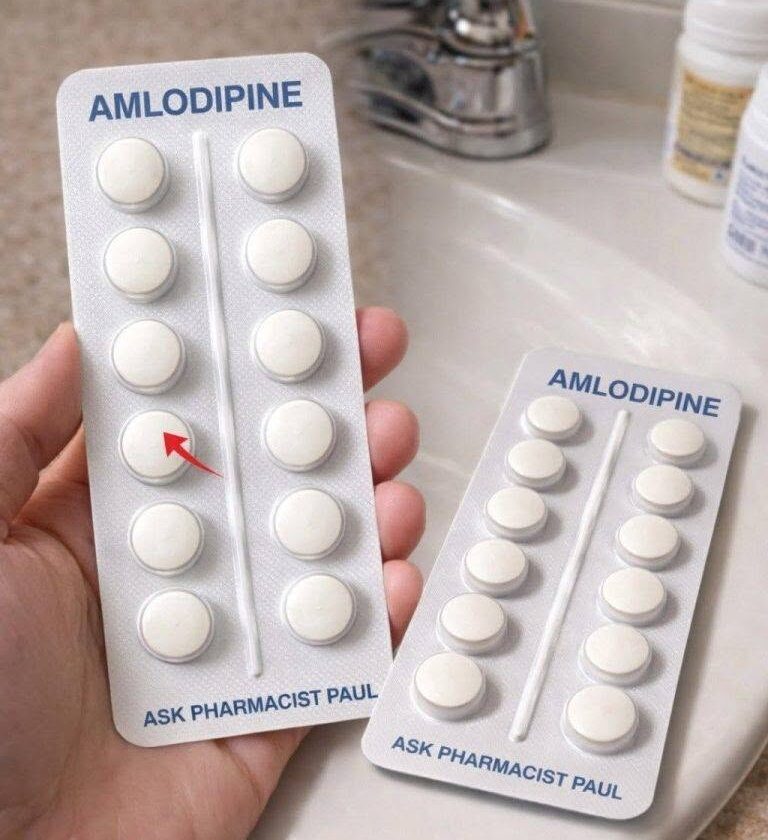
If you take amlodipine, reviewing a few everyday habits can help you get the most benefit from the medication and reduce the chance of side effects. Amlodipine is commonly prescribed to treat high blood pressure and angina (chest pain).
Here are 8 habits to avoid or change:
- Skipping or stopping your medication
- Take amlodipine as prescribed, even if you feel well.
- Stopping it without medical advice can allow your blood pressure to rise or angina symptoms to return.
- Eating a high-sodium diet
- Too much salt can raise blood pressure and make treatment less effective.
- Limit processed foods, canned soups, fast food, and salty snacks.
- Drinking excessive alcohol
- Alcohol can increase dizziness or lightheadedness and may make it harder to control blood pressure.
- Smoking
- Smoking damages blood vessels and increases the risk of heart attack and stroke, counteracting many of the benefits of blood pressure treatment.
- Ignoring swelling in your ankles or feet
- Ankle swelling is a common side effect of amlodipine.
- If it becomes bothersome, worsens, or is accompanied by shortness of breath, contact your healthcare provider.
- Using certain over-the-counter medicines without checking
- Some medicines, especially NSAID pain relievers (such as ibuprofen or naproxen), can affect blood pressure or kidney function in some people.
- Ask your pharmacist or healthcare provider before starting new medications or supplements.
- Being physically inactive
- Regular physical activity, along with a balanced diet, helps improve blood pressure control and overall heart health.
- Choose activities that are appropriate for your health and fitness level.
- Not monitoring your blood pressure
- Home blood pressure checks can help you and your healthcare provider know whether your treatment is working.
- Follow your provider’s recommendations for how often to measure it.
A few additional points
- Grapefruit is not considered a major interaction with amlodipine for most people, unlike with some other medications. If you regularly consume large amounts of grapefruit or take multiple medicines, ask your pharmacist whether there are any concerns specific to your situation.
- Take amlodipine at about the same time each day to help maintain consistent blood levels.
When to seek medical advice
Contact your healthcare provider if you experience:
- Severe dizziness or fainting.
- New or worsening chest pain.
- Marked swelling of the legs or feet.
- Shortness of breath.
- A fast, pounding, or irregular heartbeat.
For most people, amlodipine is safe and effective when taken consistently and combined with healthy lifestyle habits. If you’re concerned about side effects or how well it’s working, discuss them with your healthcare provider rather than stopping the medication on your own.