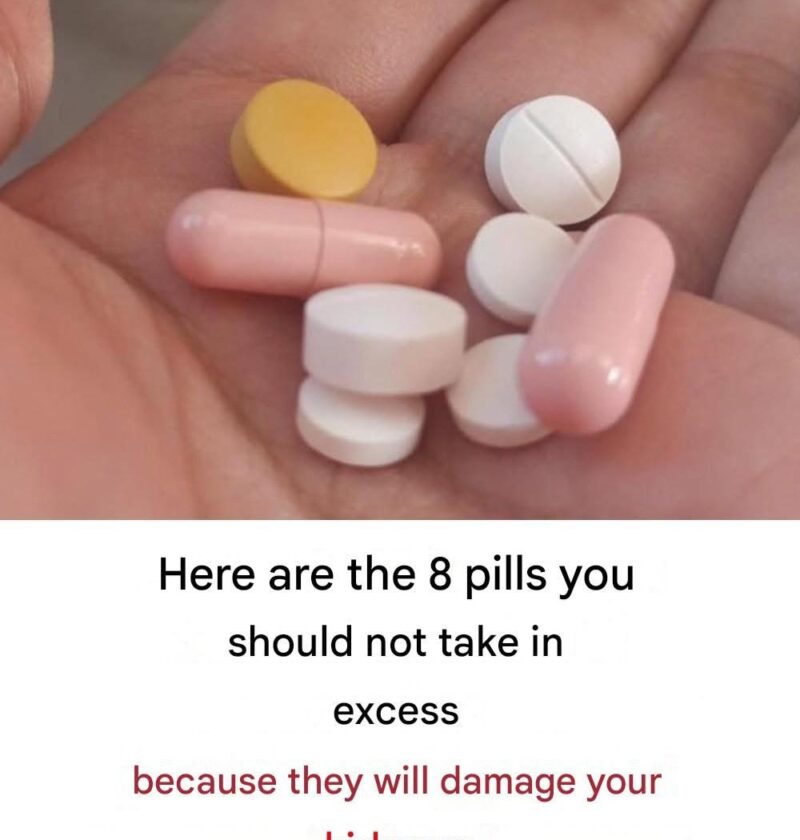
The claim “Eight pills you shouldn’t take because they damage your kidneys” is often shared online without context. Many medicines are safe and beneficial when taken correctly, but some can affect kidney function, especially when taken in high doses, for a long time, combined with other medicines, or by people who already have kidney problems.
Examples of medicines that may require caution include:
- Nonsteroidal anti-inflammatory drugs (NSAIDs)
- Examples include Ibuprofen and Naproxen.
- Frequent or high-dose use can reduce blood flow to the kidneys and may increase risk of kidney injury in some people, especially those with dehydration, older adults, or existing kidney disease.
- Certain antibiotics
- Some antibiotics can affect kidney function, particularly in vulnerable patients or when doses are not adjusted for kidney function.
- Certain blood pressure medicines (in specific situations)
- Some medicines that affect kidney blood flow or potassium levels require monitoring with blood tests.
- Some diuretics (“water pills”)
- These can change fluid and electrolyte balance and may need adjustment depending on kidney function.
- Certain stomach-acid medicines
- Some long-term users of acid-suppressing medicines may need monitoring if they have risk factors for kidney problems.
- Some antiviral or cancer treatments
- Certain specialist medicines can be hard on the kidneys and are usually monitored closely.
- High-dose supplements or herbal products
- “Natural” products are not automatically kidney-safe; some supplements may contain substances that stress the kidneys.
- Contrast dyes used in some medical imaging
- In certain high-risk patients, contrast exposure may affect kidney function, so doctors assess risk beforehand.
Protect your kidneys
- Avoid taking painkillers regularly without medical advice.
- Follow prescribed doses.
- Tell your healthcare provider about all medicines and supplements you take.
- Stay hydrated, especially during illness or hot weather.
- If you have kidney disease, diabetes, or high blood pressure, ask before starting new medicines.
Do not stop a prescribed medicine because of a social media warning—speak with a healthcare professional first.