What Is the Normal Blood Pressure for Each Age?
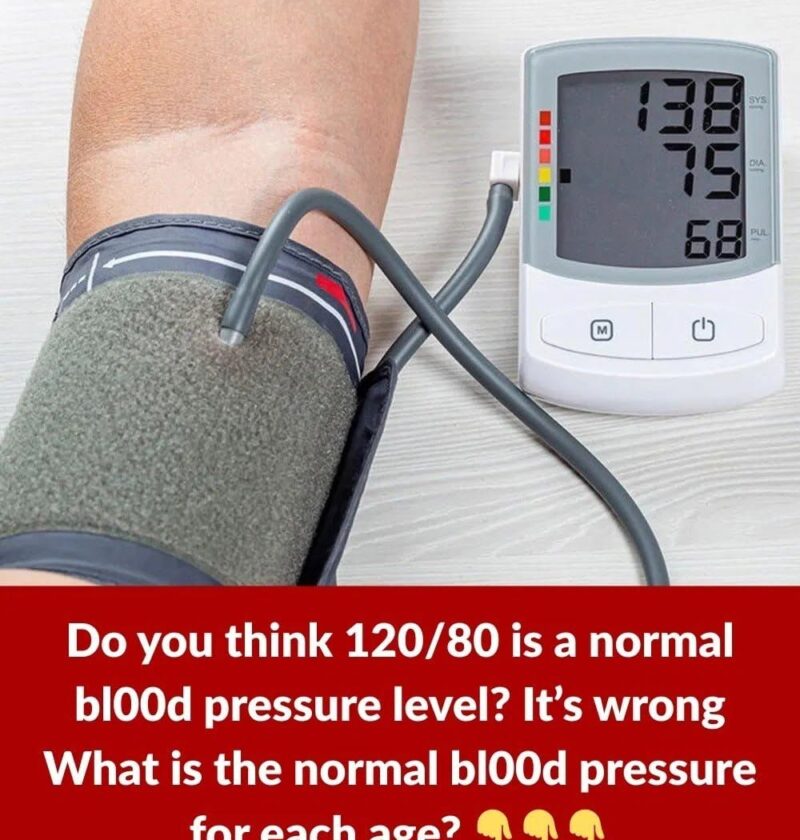
A common mistake is thinking that blood pressure has a completely different “normal” number for every age. In reality, healthy blood pressure targets are based more on your overall health, medical conditions, and risk factors—not just your age.
General blood pressure ranges for adults:
| Blood Pressure Category | Systolic (Top Number) | Diastolic (Bottom Number) |
|---|---|---|
| Normal | Less than 120 | Less than 80 |
| Elevated | 120–129 | Less than 80 |
| High Blood Pressure (Stage 1) | 130–139 | or 80–89 |
| High Blood Pressure (Stage 2) | 140 or higher | or 90 or higher |
| Very high (urgent) | 180 or higher | and/or 120 or higher |
Children and teenagers
Normal blood pressure varies based on age, sex, and height, so pediatric charts are used rather than one fixed number.
Older adults
Blood pressure often rises with age, but consistently high readings are not considered a normal part of aging. Many older adults can still maintain healthy blood pressure with lifestyle changes and, when needed, medication.
Tips for getting an accurate reading:
✅ Rest quietly for about 5 minutes before measuring
✅ Sit with your back supported and feet flat on the floor
✅ Keep your arm supported at heart level
✅ Take multiple readings and track the average
If your readings are repeatedly high or unusually low, discuss them with a healthcare professional rather than judging them by age alone.