Fall Awakening: Breathing Life Into House Flowers With a Little Secret
As the seasons change, many houseplants slow down. Cooler temperatures, shorter daylight hours, and changes in indoor humidity can leave leaves looking tired, growth slowing, and flowers appearing less vibrant.
The good news? A few simple care adjustments can help your houseplants transition into autumn and stay healthy.
The “Little Secret”: Adjust Your Plant Care Routine
The biggest difference often comes from matching your care to the season rather than keeping the same summer routine.
1. Adjust Watering
Many indoor plants need less water in autumn because growth slows and soil dries more slowly.
Tips:
- Check the top few centimetres of soil before watering.
- Avoid watering on a fixed schedule.
- Make sure pots have drainage holes.
- Remove excess water from saucers.
Overwatering is one of the most common causes of yellow leaves and root problems.
2. Give Plants the Right Light
As daylight decreases, plants may need a brighter location.
Try:
- Moving plants closer to a sunny window.
- Rotating pots every week so all sides receive light.
- Cleaning dusty leaves so they can absorb more light.
Avoid placing plants directly against cold windows or near drafts.
3. Increase Humidity
Indoor heating can dry the air, which may stress tropical houseplants.
Helpful methods:
- Group plants together.
- Use a pebble tray with water beneath the pot (without letting the pot sit in water).
- Use a humidifier if your home is very dry.
4. Feed at the Right Time
Many houseplants naturally slow growth during autumn and winter. Heavy fertilising during this period can do more harm than good.
A good approach:
- Reduce feeding as growth slows.
- Resume regular fertilising when active growth returns in spring.
5. Remove Tired Growth
A little maintenance can help plants look healthier:
- Remove yellow or dead leaves.
- Trim damaged stems.
- Check for pests hiding under leaves.
- Wipe leaves gently to remove dust.
Natural Plant “Boosters” — Use Caution
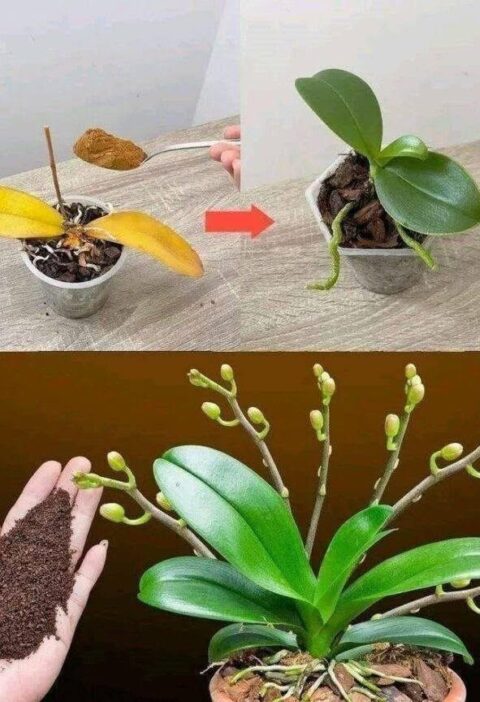
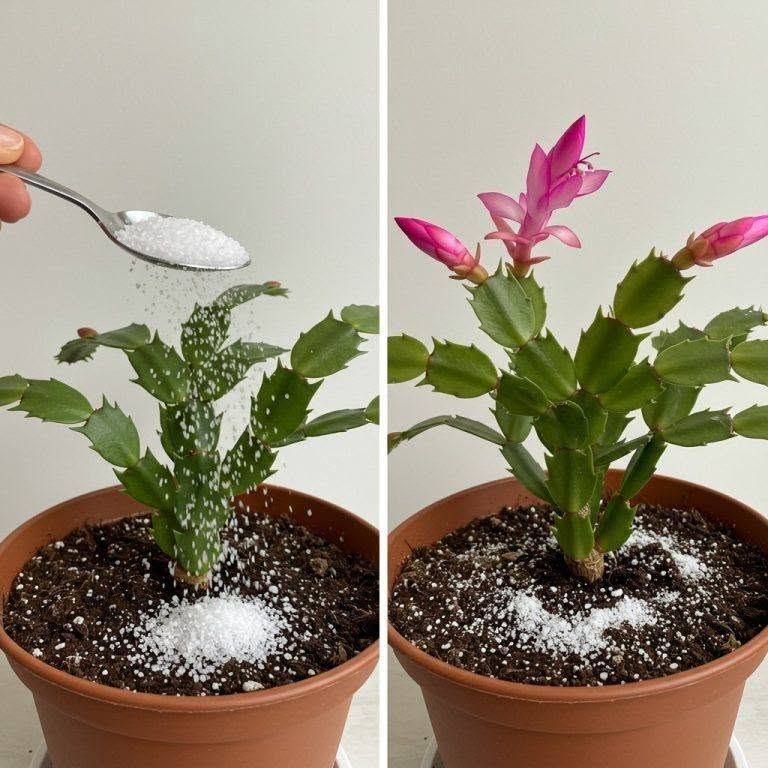
You may see advice online recommending kitchen ingredients such as coffee grounds, eggshells, or leftover cooking water. Some can be useful in compost, but adding them directly to houseplant soil can attract pests, create odours, or upset soil balance.
A quality potting mix and appropriate plant fertiliser are usually more reliable.