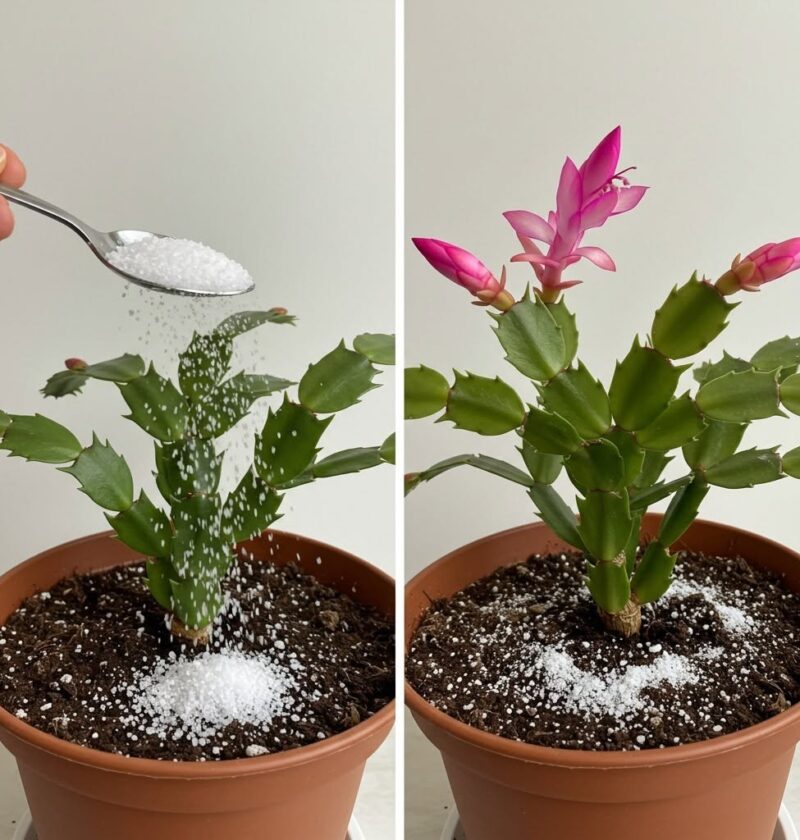
Fall Awakening: Breathing Life Into House Flowers With a Little Secret
As the seasons change and daylight becomes shorter, many houseplants slow down. Cooler temperatures, lower light levels, and indoor heating can stress plants—but a few simple care adjustments can help them stay healthy and vibrant through fall.
The “Little Secret”: Adjust Your Watering Routine
One of the biggest mistakes people make in autumn is watering plants the same way they did during summer. Many houseplants need less water in fall because growth naturally slows.
Try this:
- Check the top inch or two of soil before watering.
- Water only when the plant actually needs it.
- Make sure pots have drainage holes to prevent root rot.
- Avoid letting plants sit in standing water.
Give Plants More Light
Fall often means less sunlight, so your plants may need a better spot.
Helpful tips:
- Move light-loving plants closer to bright windows.
- Rotate pots every week or two so all sides receive light.
- Clean dusty leaves gently with a damp cloth so they can absorb more light.
Boost Humidity Naturally
Indoor heating can dry the air, which may cause:
- Brown leaf tips
- Drooping leaves
- Slow growth
To increase humidity:
- Group plants together.
- Place a tray of water near plants (without letting pots sit in water).
- Use a humidifier if your home air is very dry.
Feed Carefully
Many plants use fewer nutrients during fall and winter. Avoid heavy fertilizing when growth slows. If a plant is still actively growing, a balanced houseplant fertilizer used occasionally may be appropriate.
Remove Tired Growth
Help your plants look healthier by:
- Removing yellow or dead leaves.
- Trimming damaged stems.
- Checking for pests such as spider mites or fungus gnats.
A Simple Natural “Pick-Me-Up”
Some gardeners use compost or worm castings mixed into potting soil as a gentle nutrient boost. These improve soil quality and provide organic matter without the risk of overfeeding.